
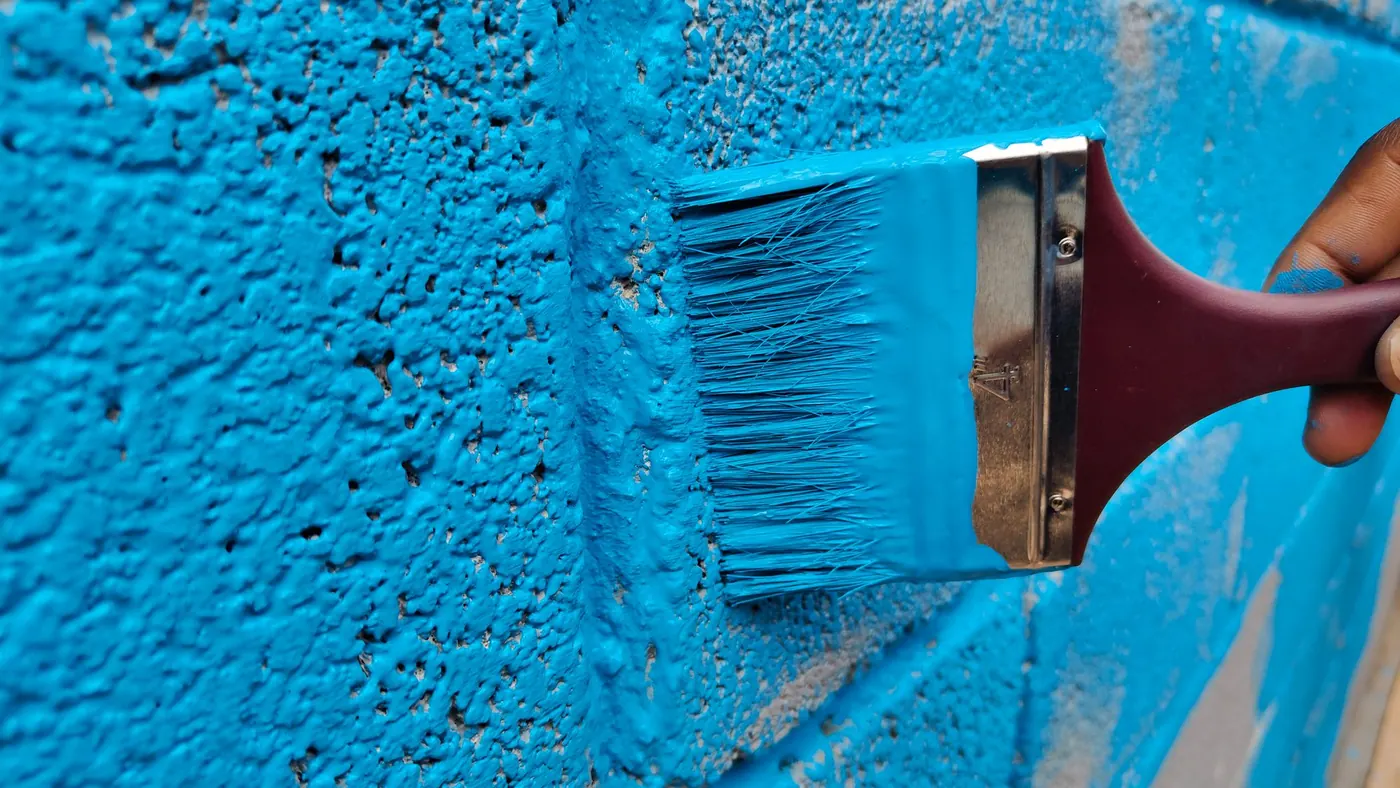
What masonry paint is, and why exterior emulsion is not the same thing
Masonry paint is a heavily pigmented exterior coating, usually acrylic, silicone or mineral based, built to do three things ordinary paint does not: bridge hairline cracks, resist algae and UV, and let water vapour out of the wall while keeping rain off it. It is thicker than emulsion, often lightly textured, and is sold in smooth and textured grades. The textured grade hides patchy repairs; the smooth grade is for stucco and previously smooth render where you want the crisp look kept.
Exterior emulsion and "all surface" paints are thinner films. They can work on a sound, dry, previously painted wall in a sheltered spot, but on London render facing the weather they tend to peel within two or three winters because they cannot flex or breathe enough. Given that the labour is the same, the product is a false economy.
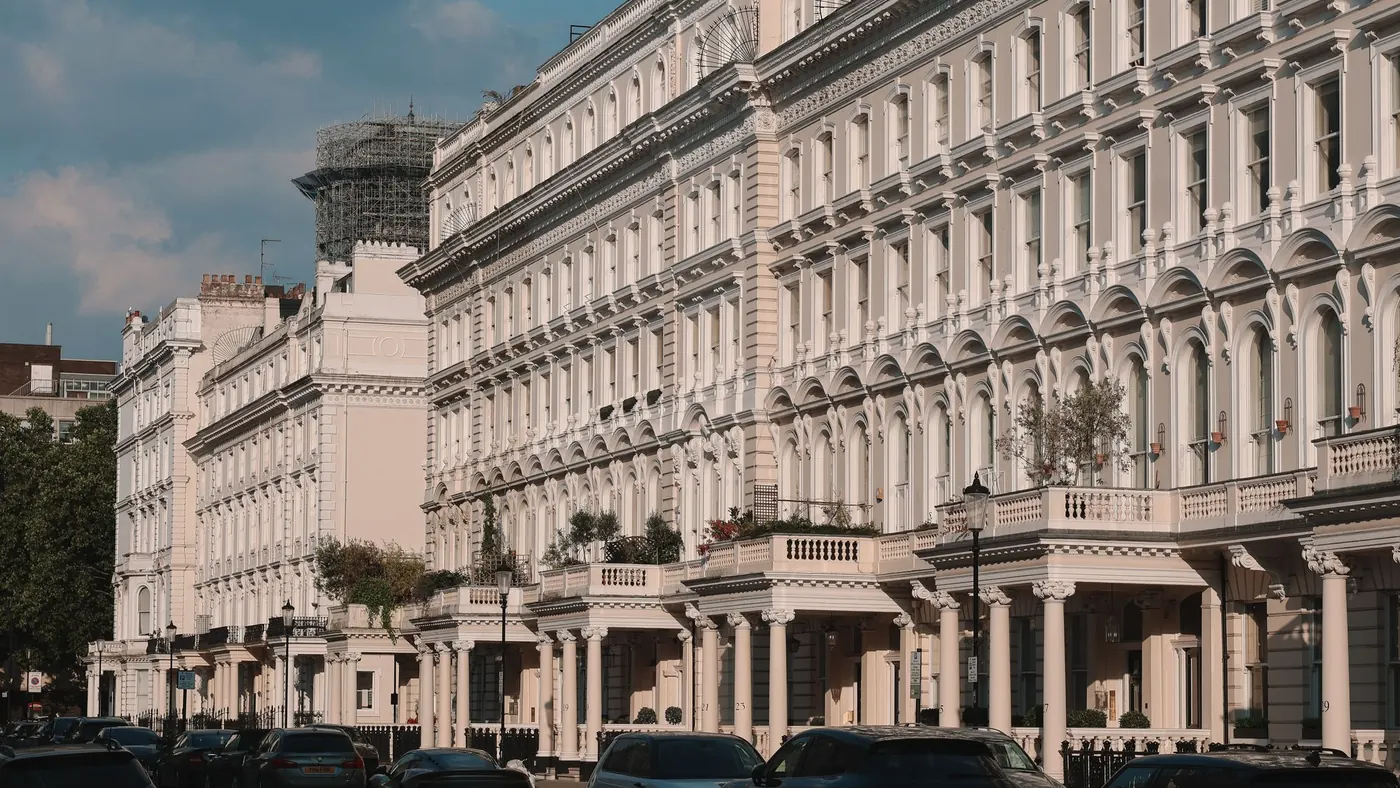
The four London wall types and what each one wants
Sand and cement render is the standard on interwar semis in Bexley, Sutton, Brent and the rest of outer London. It is hard, slightly brittle, and cracks along the blockwork lines behind it. A flexible acrylic or silicone masonry paint in the smooth or fine-textured grade suits it.
Pebbledash is render with stones thrown into the top coat. It has an enormous surface area, so it drinks paint. Allow half as much again as the tin says, use a long-pile roller, and stipple the stones with a brush so the shaded side is covered. Textured masonry paint is pointless here; the dash provides the texture.
Stucco, the smooth lime or Roman cement finish on Georgian and Victorian houses, needs to breathe. A mineral (silicate) or limewash-compatible masonry paint is the right choice; a thick acrylic film over old lime stucco can trap moisture and blow the surface. Councils in conservation areas expect it in white or cream.
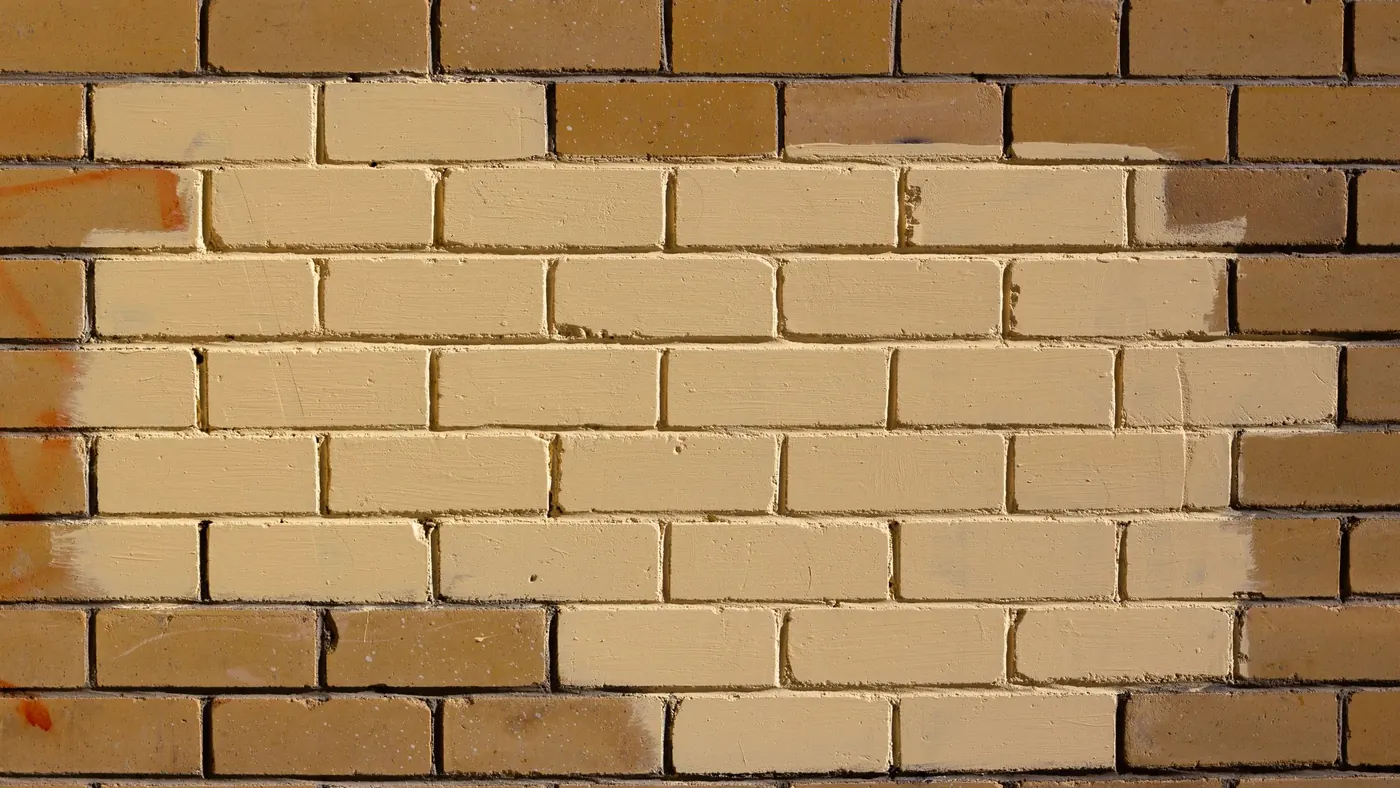
Brick is a one-way decision. Once painted, it is painted. If you go ahead, use a breathable masonry paint with a masonry primer on soft or dusty bricks, and repoint powdery joints first, because paint will not hold on sand.
Breathability: the single number that matters most
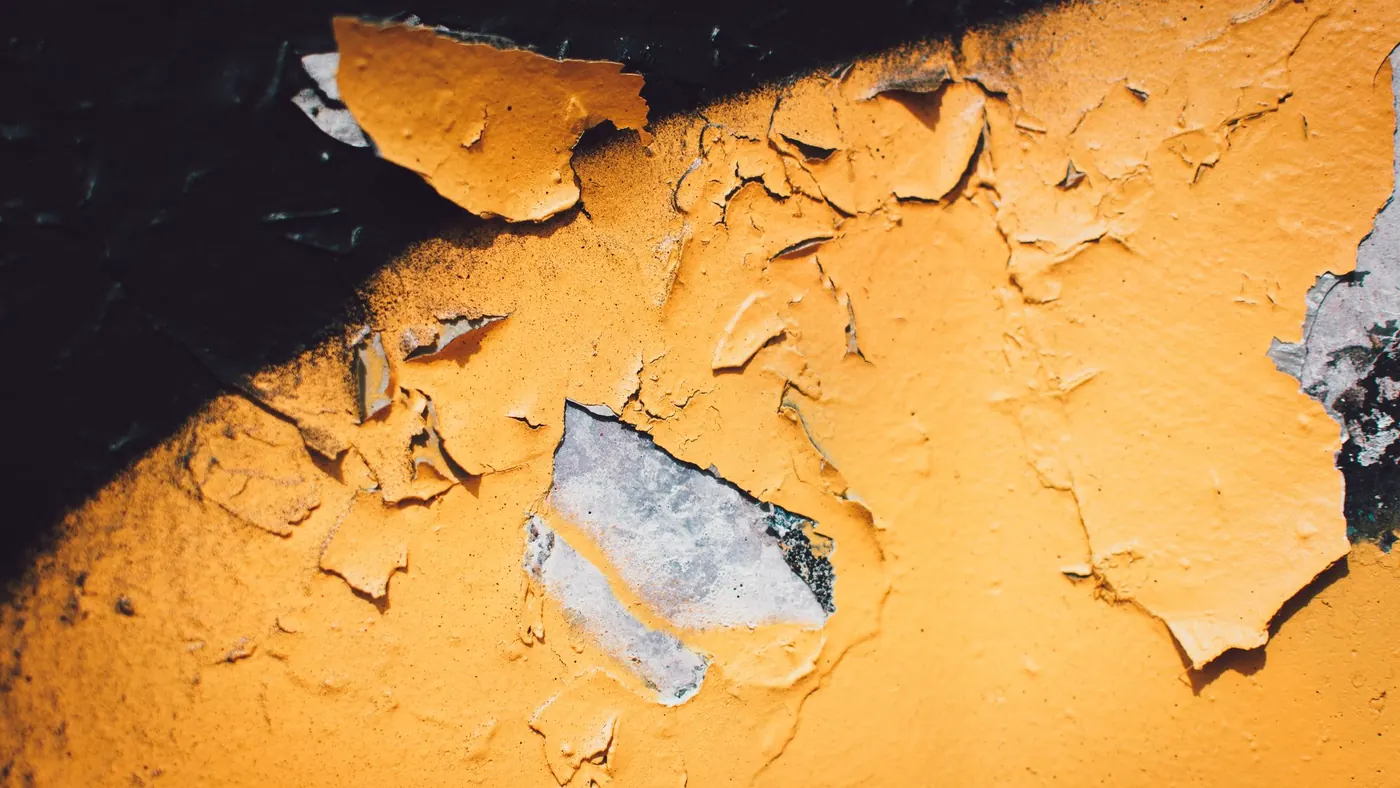
Solid Victorian walls and rendered blockwork both get wet from inside and out. A coating that will not let that moisture evaporate leaves it behind the film, where it freezes, expands and pushes the paint off. The measure is the SD value (equivalent air layer thickness); the lower the number, the more breathable the paint. Anything described as micro-porous, breathable or vapour-permeable is what you want on an older wall. Silicone-based masonry paints add water beading, which keeps the north side cleaner for longer, and mineral paints are the most breathable of all but need a bare or previously mineral-painted surface.
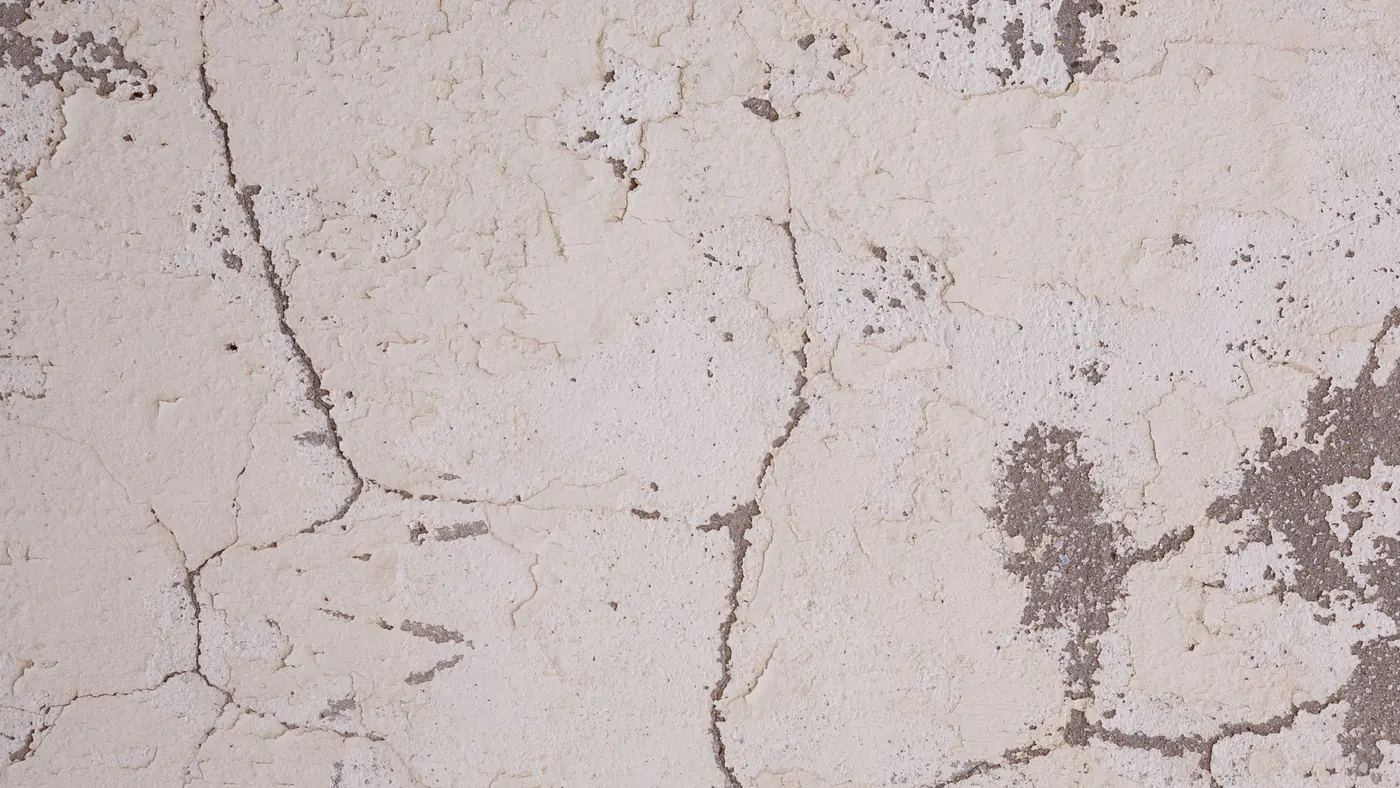
Preparation is the job
A decorator quoting for masonry paint is really quoting for preparation. On a typical London front the sequence is:
- Tap the render with a knuckle. Hollow or drummy patches are cut out and re-rendered, and left to cure for at least a week.
- Apply a fungicidal wash to kill algae and lichen, leave it to work, then rinse. Jet washing is done at a pressure the render can take, never close up.
- Rake out cracks wider than a hairline and fill with an exterior flexible filler or a render repair mortar.
- Scrape and sand flaking paint back to a firm edge; feather the edge so it does not show through.
- Prime chalky, dusty or bare areas with a stabilising solution so the new paint has something to grip.
- Protect windows, doors, paths, planting and the neighbour's side.
Skip any of these and the paint tells you within a year. The rendering painting service follows exactly this order, which is why the survey happens before the price.

Application: coats, tools and weather
Two full coats are standard. The first is sometimes thinned by up to 10 percent (where the tin allows) so it keys into the surface; the second goes on full strength. Pebbledash often needs a third. Use a medium or long-pile roller for the fields and a good masonry brush for edges and mouldings. Spray application is fast on big plain elevations but needs total masking and a still day.
Weather is the other half of application. The wall must be dry, the temperature above roughly 8 degrees and no rain or frost expected for 24 hours. In London that gives a working season from about March to October. Painting a wet wall, or one that will get rained on before the paint has set, is the quickest way to a job that fails.
Colour choices that last
Dark colours look striking but absorb heat, move more and fade faster, especially on south and west-facing walls. Manufacturers now make dark masonry ranges with heat-reflective pigments, and those are worth specifying if you want charcoal or navy. For most London render a warm white, a stone or a soft grey is the safe choice; for stucco in a conservation area the traditional off-whites are expected. Whatever the colour, buy from a single batch and keep a litre for touch-ups.
How long it should last and how to keep it there
On properly prepared render with a breathable product, expect eight to fifteen years before a recoat, with the north face and anything under a leaking gutter wearing first. A rinse with a hose once a year and a look at the gutters, downpipes and sills each spring catches problems early. If green algae appears within a couple of years the wall is staying wet, and the cause is usually above it, not in the paint. Everything on this page applies to the wider exterior painting job too, where the windows, doors and fascias are done in the same visit.