
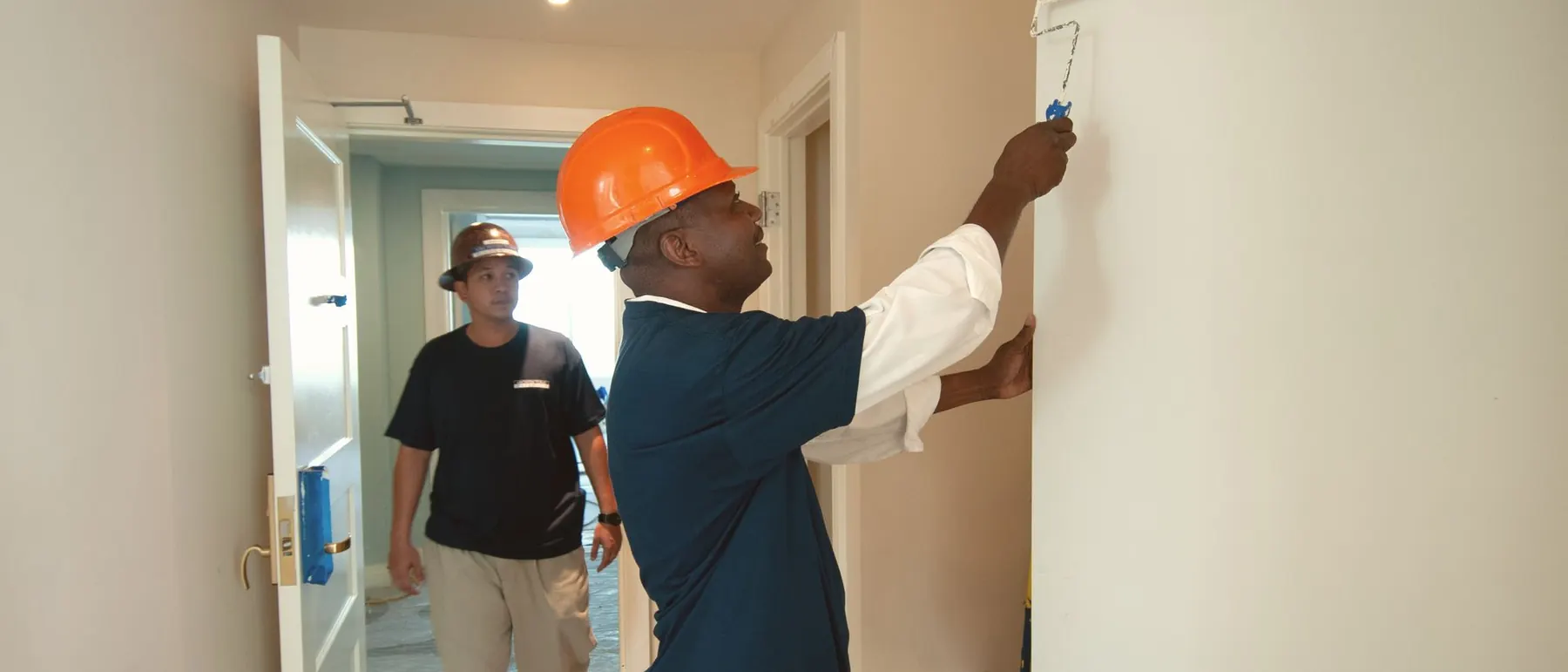
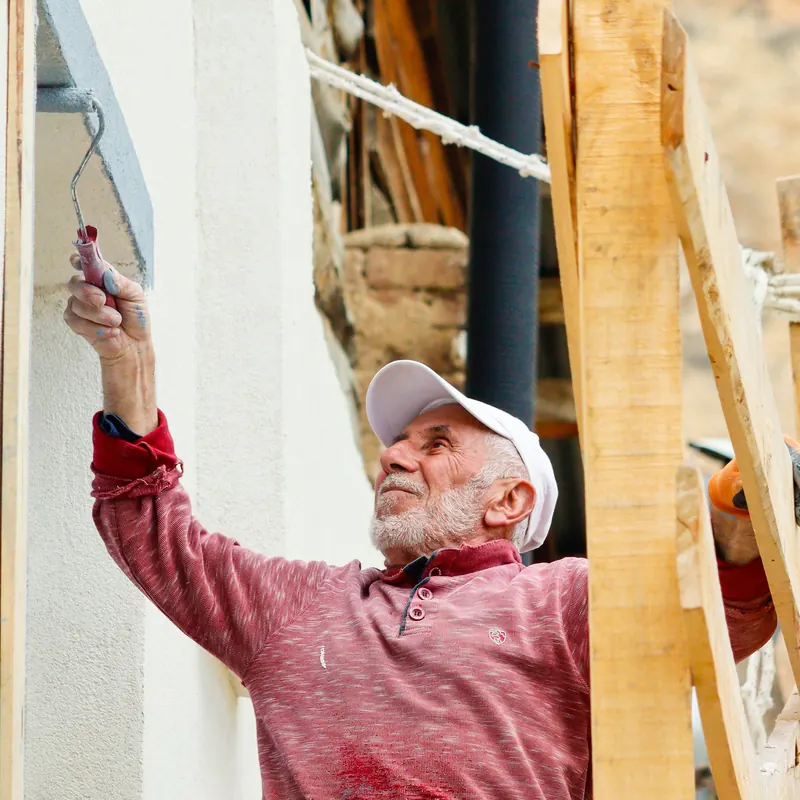
Rendering Painting
Render, pebbledash, stucco and painted brick cleaned, repaired and finished in two coats of breathable masonry paint.
Exterior painting, London
Sash windows, front doors, fascias and soffits, bay roofs, railings, garden walls and the rendered or stuccoed elevation itself. Painted in the right season with products chosen to shed rain and hold colour.
Five-star reviews from London homes
End-of-tenancy job done in two days. Keys from the agent, neutral scheme throughout, fire door painted properly with the label left visible.
AmaraOne-bed repaint, Barking
Sanded and finished in a matt hardwax oil in a mansion flat with a strict porter. Lift protected, no smell, and the floor looks like new timber.
PatrickOak floor, City of Westminster
Yellowed white frames sprayed anthracite. They masked the glass and the brick so carefully there was nothing to clean off afterwards.
YusufuPVC frames sprayed, Brent
A grasscloth paper I was nervous about. Hung dry with no paste on the face and the seams butted, exactly as the supplier said it should be.
HelenDining room paper, London
Render, bays, fascias and the front door in one go from a tower, planned around a dry week in May. The quote said what each part would cost and it did.
DanielWhole house exterior, Sutton
Twenty desks worth of office painted over a weekend, RAMS supplied on the Tuesday before. Monday morning it was open and smelt of nothing.
NadiaOffice repaint, Islington
A full exterior job on a typical terrace or semi covers the windows (sashes, casements, sills and frames), the front door and its frame, fascias, soffits and bargeboards, any timber bay or porch, cast iron railings and gates, and the walls if they are rendered, pebbledashed or already painted. Rear elevations, side returns and garden walls are added as needed. On flats we often work with a block manager to paint the communal front and the individual windows in one visit.

Timber is where exterior jobs are won or lost. Flaking gloss on a sash window is scraped and burnt off or sanded back to a firm edge, bare wood is primed the same day so it does not take on moisture, rotten sections are cut out and spliced or treated with a resin repair system, and putty is renewed where it has cracked. Metal railings are wire-brushed, rust treated and primed with a zinc phosphate primer. Rendered walls are fungicide-washed, cracks filled and stabilised, as described on the masonry paint and render painting page.
London's older windows are worth saving. A Victorian sash with a rotten bottom rail can usually be repaired with a timber splice or a two-part epoxy filler for a fraction of the cost of replacement, then painted to last. Decorative stucco mouldings, cornices and window surrounds are repaired with a lime or cement render before painting so the detail comes back sharp rather than being softened under yet another coat.
For timber we use a flexible exterior system: Dulux Weathershield, Sikkens or Sadolin where a translucent finish is wanted, and Bedec or Zinsser where adhesion over an unknown old coating is the problem. Oil-based gloss still lasts longer on south-facing sills; water-based satins hold their colour better and do not yellow. Metalwork gets a direct-to-metal or Hammerite-type finish over a proper primer. Masonry gets a breathable silicone or acrylic masonry paint. Each is named on the quote.
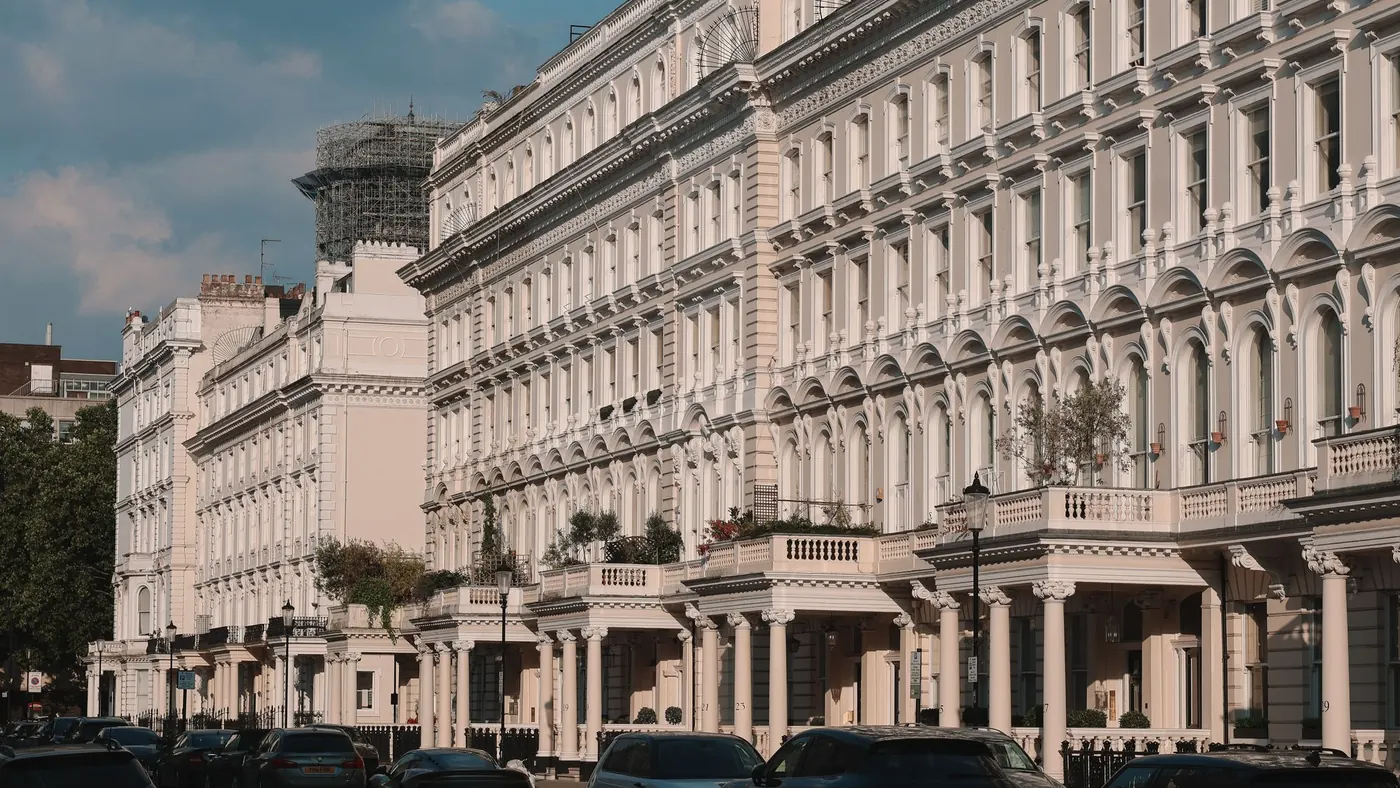
Alongside houses, we paint shopfronts, pub exteriors, office entrances and the outside of small blocks of flats, generally out of hours so the business is not disrupted. Larger commercial elevations are covered on the commercial painting and decorating page.
Exterior work is planned around the forecast. We do not paint onto damp timber or in falling temperatures, and we cover freshly painted work if a shower comes in. Ladders, towers or scaffold are chosen by the height and the ground; paths and planting are sheeted; and windows are left openable at the end of each day. The finish coat goes on when the primer and undercoat have properly hardened, not the same afternoon.
The London stock we paint most: Victorian and Edwardian terraces with timber sashes and painted stucco, interwar semis with rendered upper storeys and timber bays, 1960s and 70s houses with large fascias and hardwood frames, and mansion blocks with white-painted window surrounds and black railings. We have painted all of them and will say honestly which parts of yours need work and which do not.
How it runs
Four stages, each a line on the quote. How long each takes depends on the surfaces; the sequence for exterior painting never changes.
Every window, door, fascia and wall checked for rot, rust, cracks and damp.
Flaking paint off, rot spliced or filled, putty and rust made good.
Bare timber and metal primed the same day; undercoat built up.
Gloss or satin top coats in dry weather, protection stripped, paths cleaned.


Quick Quote
Tell us what needs doing and where. A written price comes back, and a start date follows it.
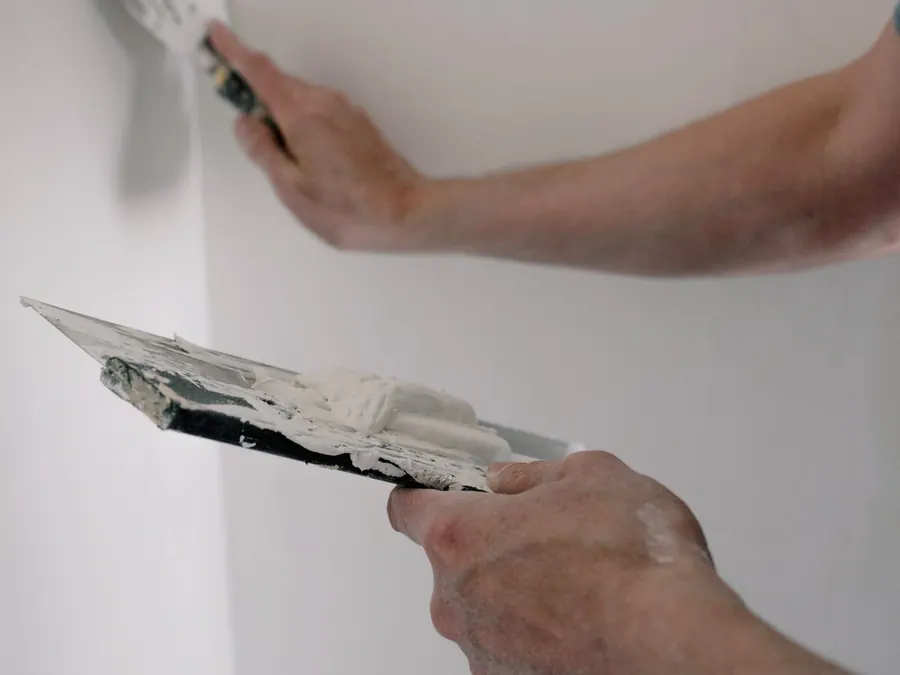
On the tools
The unglamorous middle of a job, where the finish is decided, and the last coat that shows it.
Where we work
The base is London and the coverage runs out to roughly 20 miles, so exterior painting jobs in the central boroughs, the outer suburbs and the towns just past the boundary are all normal work. A run of the towns covered, ordered by distance from the centre:
The full list of 90 towns, with distances, is on the areas we cover page.
Related services
Related work from the same team, so the plasterer, the sprayer and the painter are not three firms chasing each other for dates.
Render, pebbledash, stucco and painted brick cleaned, repaired and finished in two coats of breathable masonry paint.
Whole homes, flats and single rooms decorated end to end: walls, ceilings, woodwork, wallpaper and exteriors.
Floors, doors, stairs, fences and decking stained to a matched colour and sealed, plus painted woodwork inside and out.
Questions
Anything not covered here is answered by email through the contact page, and the longer answers live in our decorating guides.
Late spring to early autumn, roughly April to October. Timber and render need to be dry and above about 8 to 10 degrees, and paint needs a dry 24 hours to cure. We book exterior work in that window and plan around the forecast.
Localised rot in a sill or bottom rail can usually be cut out and spliced or repaired with a two-part epoxy filler, then primed and painted. If the frame is soft right through, replacement is the honest answer and we will say so.
On timber, a proper three-coat system lasts five to eight years before it wants a maintenance coat, longer on sheltered elevations. Masonry paint on render lasts eight to fifteen years. Cheap paint over unprimed wood can fail in one winter.
Yes, by spraying with a uPVC-specific paint rather than brushing. See the spray painting page. Anthracite and other dark colours over white frames are the usual request.
Most two-storey fronts are done from ladders and a tower. Three-storey terraces, work above a basement lightwell or bay roof, and whole-elevation render painting often need a scaffold, which we quote separately.
Quick Quote
Five-star reviews from London homes
Sizes, what is on the surfaces now, and what you want them to be. Straightforward jobs get a written price; whole houses and exteriors get a visit first.