
Painter Decorator
Whole homes, flats and single rooms decorated end to end: walls, ceilings, woodwork, wallpaper and exteriors.
Interior painting, London
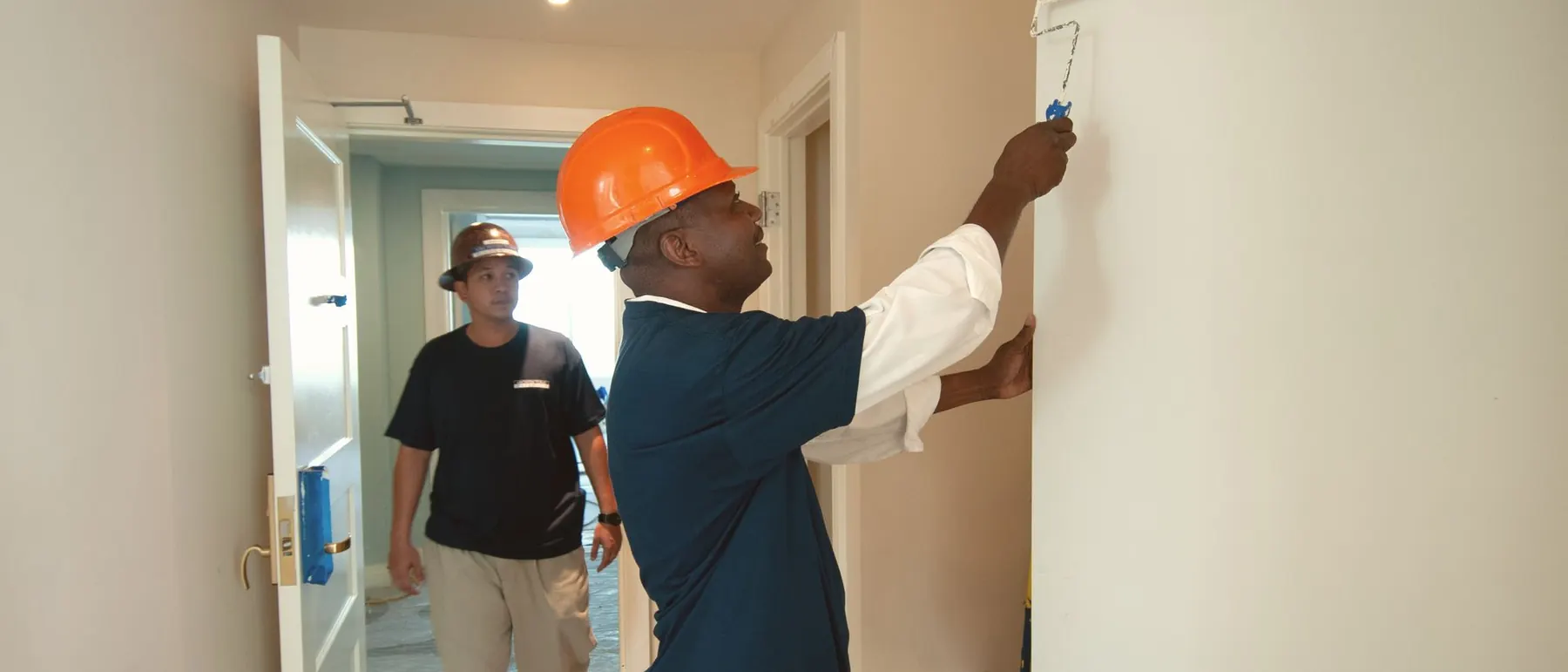
Single rooms to whole houses. Ceilings, walls and woodwork prepared, primed and painted in two full coats, with clean cut lines at the ceiling and the skirting and no roller marks under the window.
Five-star reviews from London homes
Three floors of Victorian hallway with a lot of spindles. Tidy, on time each morning, and the woodwork is glass smooth.
TomHallway, stairs and landing, Archway
A mansion-block flat with high ceilings and a concierge to keep happy. Dust sheets everywhere, lift protected, done in four days.
EleanorWhole flat repaint, City of Westminster
Sash windows burnt off, primed and finished in an oil-based gloss. They said it would take the weather better than the quick water-based stuff and so far it has.
DavidExterior woodwork, Bexley
A wide-pattern paper in the living room with the joins matched perfectly across the chimney breast. Very careful work.
SofiaWallpaper, Barking
Blown plaster hacked off, reboarded and skimmed, then painted a week later once it had dried. One firm for both jobs saved a lot of chasing.
JamesPlastering and paint, London
Pine boards sanded and stained a mid oak, then three coats of lacquer. It matched the colour sample they did on an offcut first.
AishaFloor staining, Islington
We paint bedrooms, living rooms, kitchens, bathrooms, hallways, stairs and landings, loft rooms, home offices and whole properties between tenants. Ceilings, walls, coving, picture rails, skirting, architraves, doors, spindles, radiators and built-in cupboards. Emulsion in matt, for old walls that need forgiving, or durable matt and eggshell where the walls get touched and washed. Kitchens and bathrooms get moisture-resistant paints made for steam.
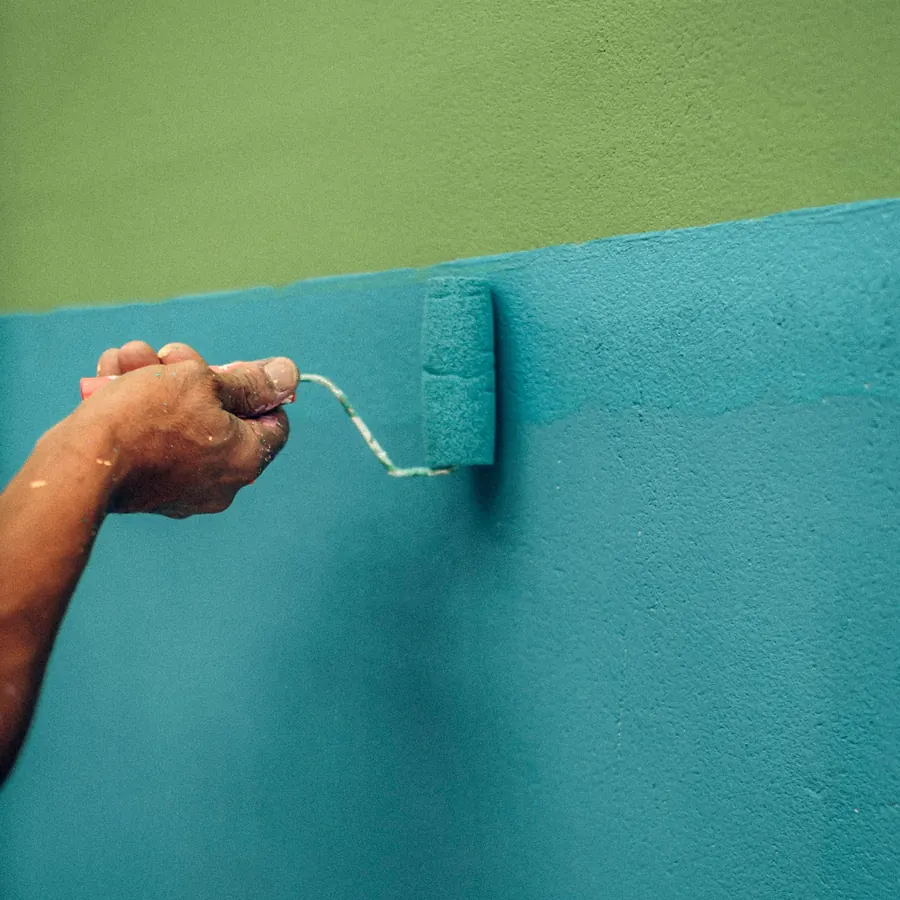
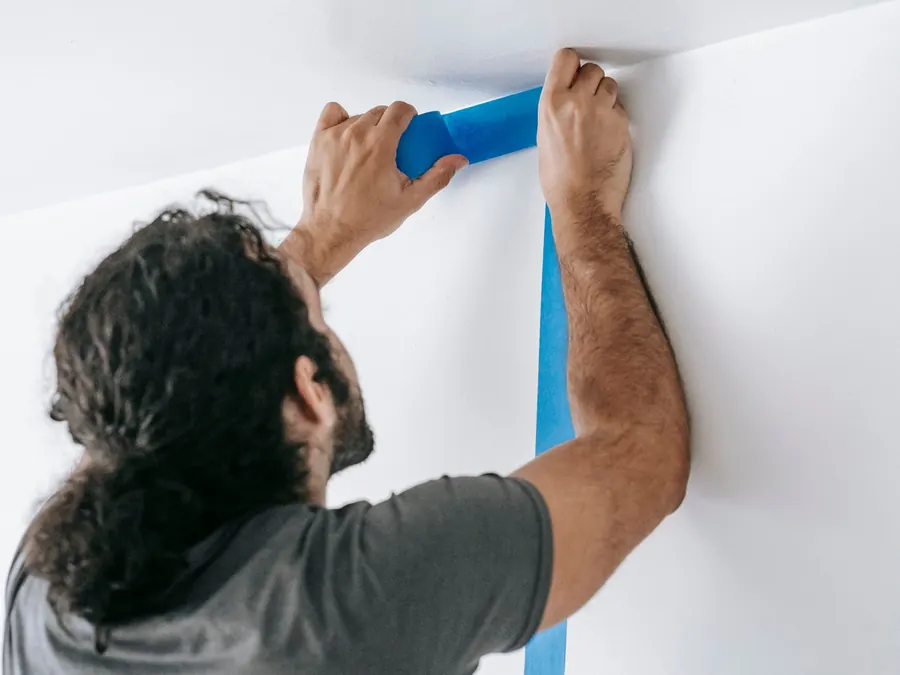
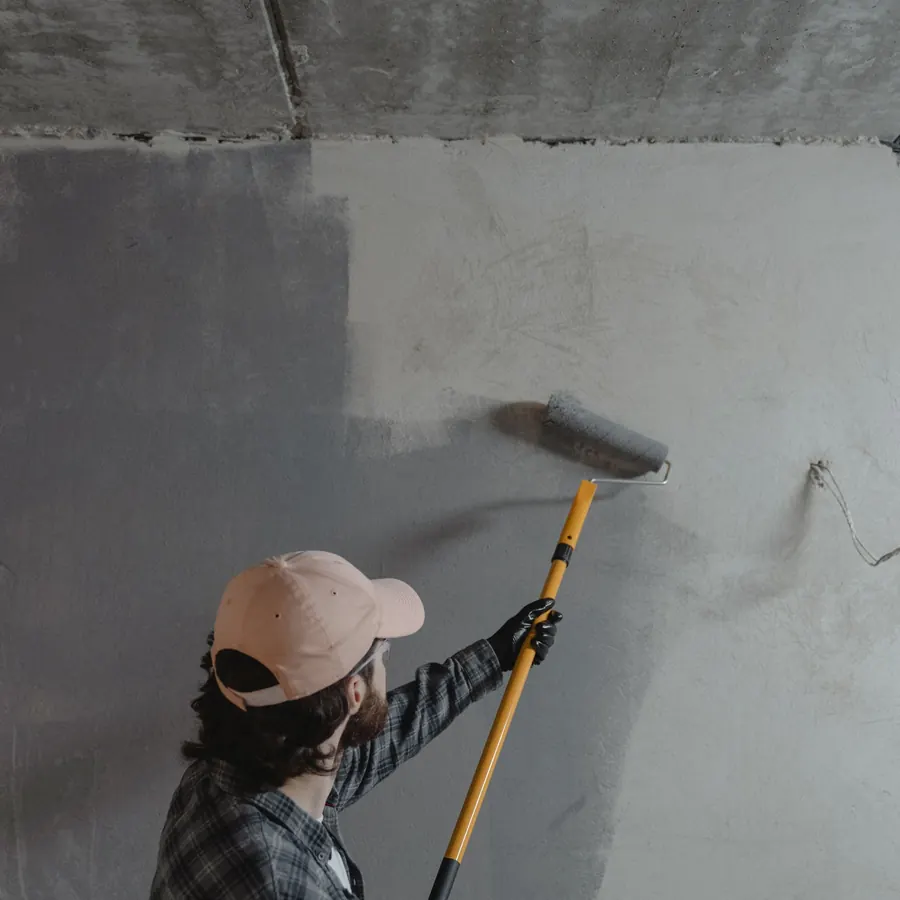
Ceilings are done first, cut in at the wall with a brush and rolled in one direction towards the window so the lap lines do not show in raking light. Walls are cut in at the ceiling, corners and skirting, then rolled in overlapping W strokes with a medium-pile sleeve. Two full coats every time; one coat of a "one coat" paint is not the same. Feature walls, colour blocking and half-height schemes are masked with a good low-tack tape and the edge sealed with the base colour first so the line is knife sharp.
Skirting, doors and frames are washed with sugar soap, sanded, filled where dented, and painted with a water-based or oil-based undercoat and a satin, eggshell or gloss top coat. Where the old gloss has yellowed and built up over decades, we take it back further. Modern water-based satins do not yellow and dry fast; oil-based gloss still gives the hardest, glossiest finish on a period front door or a staircase handrail. Caulk goes in at the skirting-to-wall joint so the line is clean, not cracked.
Many interior painting jobs start with taking wallpaper off. Old paper is steamed or soaked and scraped, the paste washed off, and the wall behind repaired and sealed before it can be painted. Where new paper is going up, that is covered on the wallpapering and wallpaper hanging page, and it is planned into the same job.
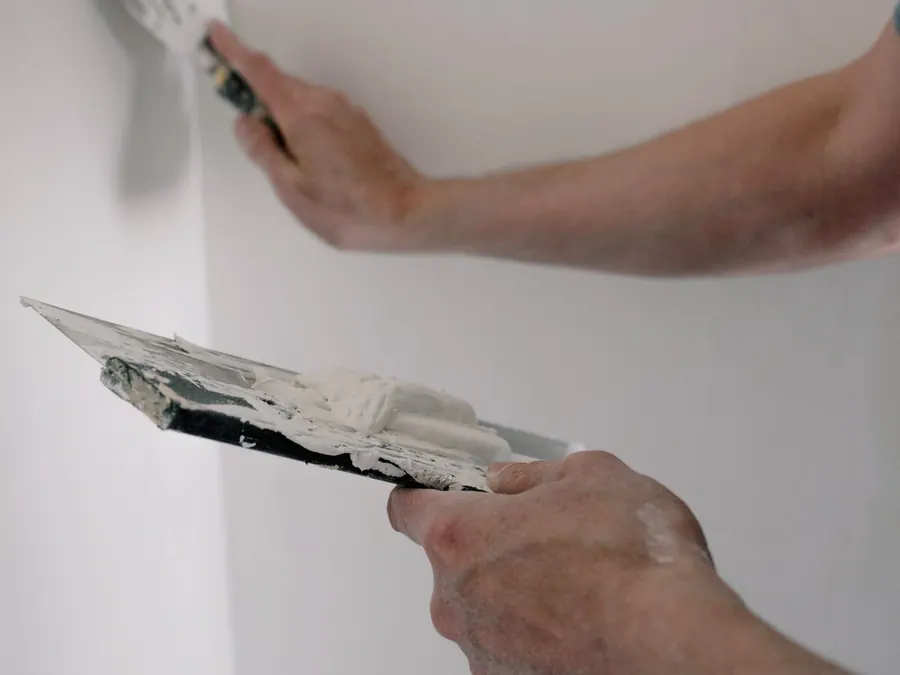
Hairline cracks are raked out and filled with a flexible filler; larger cracks are scrimmed. Nail pops, dents and old fixing holes are filled and sanded flush. Water stains and nicotine are sealed with a stain-blocking primer such as Zinsser BIN or Cover Stain. New or bare plaster gets a mist coat of thinned emulsion so the top coats bond. Where the plaster is blown or the ceiling is Artexed, a plasterer from the same team sorts it before the decorators come in.
Most of our interior work is in homes, but the same team paints offices, shops, communal hallways and rental blocks, usually to a tighter timetable and often out of hours. London homes bring their own particulars: high Victorian ceilings that need a tower, lath and plaster that has to be treated gently, and flats where the lift and communal hallway need protecting on the way in.
The kind of jobs that fill the diary: a three-floor Victorian hallway in Archway with 60 spindles and a dado; a two-bedroom mansion flat in Westminster painted throughout in a week around a concierge's rules; a 1930s semi in Sutton with every ceiling skimmed then painted; an end-of-tenancy repaint in Barking turned round in three days. Photographs of the way we work are in the gallery below.
How it runs
Survey, prepare, finish, check. The first decides the price, the second decides the finish, and the last is done with you in the room.
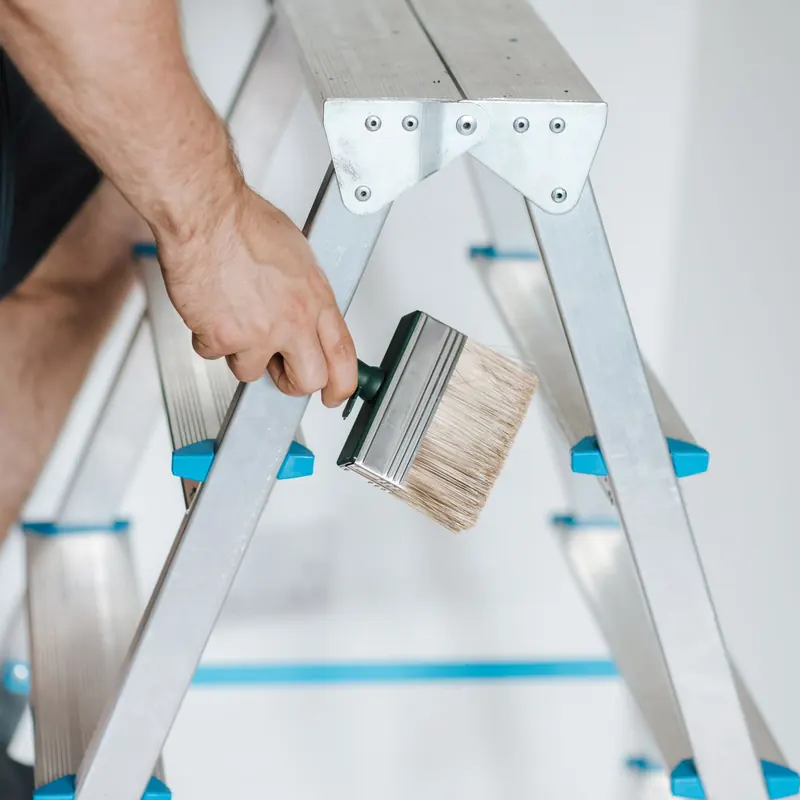
Floors, furniture and fittings sheeted; radiators off where possible.
Fill, sand, seal stains, mist coat bare plaster, caulk the gaps.
Ceilings, walls, then woodwork. Two full coats, cut in by brush.
Checked in daylight, touched up, masking off, room handed back clean.


Quick Quote
Describe the job and where it is. The reply is a written price with the stages listed, or a time to come and look.
On the tools
Masking, protection and the coats going on in order, photographed the way the job actually runs.
Where we work
Wherever the address sits inside the 20-mile radius, the interior painting is quoted and run the same way. These towns are one run of the list, nearest to the centre first.
The full list of 90 towns, with distances, is on the areas we cover page.
Related services
Jobs rarely arrive one trade at a time. These are the services most often quoted alongside this one, planned as a single sequence so nothing is done twice.
Whole homes, flats and single rooms decorated end to end: walls, ceilings, woodwork, wallpaper and exteriors.

Skimming, reboarding, patch repairs and full re-plastering of walls and ceilings, painted by the same team once dry.

Feature walls, full rooms and stairwells hung with the pattern matched and the seams flat, plus stripping and lining.
Questions
Anything not covered here is answered by email through the contact page, and the longer answers live in our decorating guides.
More than the paint. Filling, sanding and sealing are what make a wall look flat under a window. We spend roughly half the time on site preparing, and it is itemised on the quote so you can see it.
Trade paints, mainly Dulux Trade, Johnstone's and Crown Trade, with designer brands such as Farrow and Ball or Little Greene when you have chosen them. Matt for ceilings and forgiving walls, durable matt or eggshell for hallways and kitchens, satin or gloss on woodwork.
A small room in good condition with no woodwork can be done in a day. Most rooms take two: preparation and first coats on day one, second coats and woodwork on day two. Ceilings that need stain blocking or walls with old paper take longer.
Yes, we move it to the middle of the room and sheet it, or between rooms as we work. Heavy or valuable pieces are best moved by you beforehand, and we say which on the quote.
Yes. Steam and condensation need a moisture-resistant or bathroom paint on walls and ceilings, and a scrubbable finish around the hob and sink. Tiles and laminate can be painted with the right primer but we say honestly where it will not last.
Quick Quote
Five-star reviews from London homes
Six fields and the job is in the diary to be priced. Room sizes and the state of the walls and woodwork go in the last box.