Wood Staining
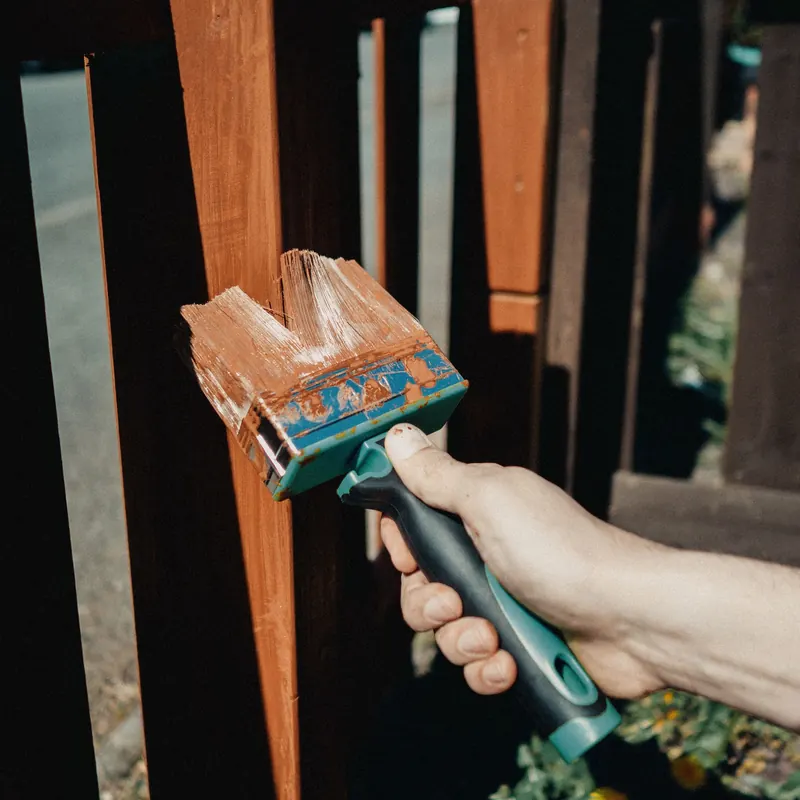
Floors, doors, stairs, fences and decking stained to a matched colour and sealed, plus painted woodwork inside and out.
Varnishing, London
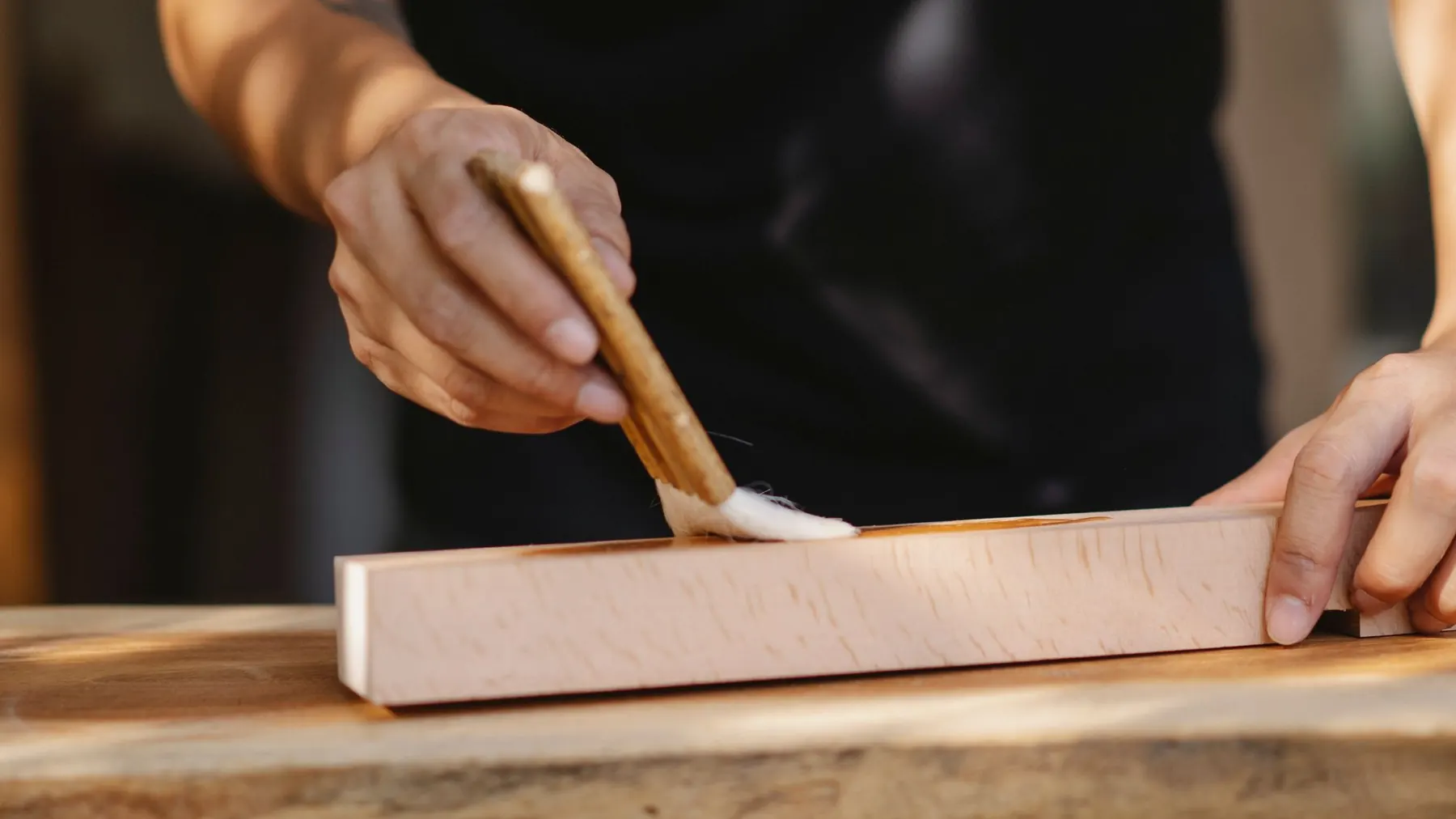
A clear finish is what stands between bare timber and daily life. We sand, stain where the colour is wanted, and build up two or three coats of the right varnish, lacquer or oil for the way the surface is used.
Five-star reviews from London homes
Four flats sharing the cost and they split the invoice for us. Ceiling scrimmed and skimmed, walls lined, spindles in satin. Everyone is happy, which is rare.
OliverCommunal hallway, Archway
Cupboard doors went away to be sprayed while the walls were done in a wipeable matt. Back in the same week and the colour matches the sample they sent.
GraceKitchen and utility, Bexley
Door stripped back, primed and finished in an oil gloss, railings wire-brushed and blacked. It is the only front on the street that looks looked after.
SamuelFront door and railings, London
Sloping ceilings, a Velux and a lot of new plaster. Mist coated first so the top coats did not flash, and the edges along the sloping ceiling are dead straight.
FatimaLoft room, Islington
They filled every hairline crack before a drop of paint went on, which is why the ceiling still looks flat under the big window.
HannahTwo bedrooms and a landing, Islington
The render on the front had gone patchy and green. It was jet washed, cracks stopped, two coats of masonry paint. Neighbours have asked who did it.
MarcusFront render, Sutton
We look at three things before quoting: what the timber is, what is on it now, and how it is used. Old varnish that is sound can be keyed and recoated. Old varnish that is flaking, or wax, or an unknown oil, has to come off completely, because nothing bonds to wax. Water stains, black iron marks around old nails and pet stains sometimes need oxalic acid bleaching after sanding. Floors are checked for loose boards, protruding nails and gaps.
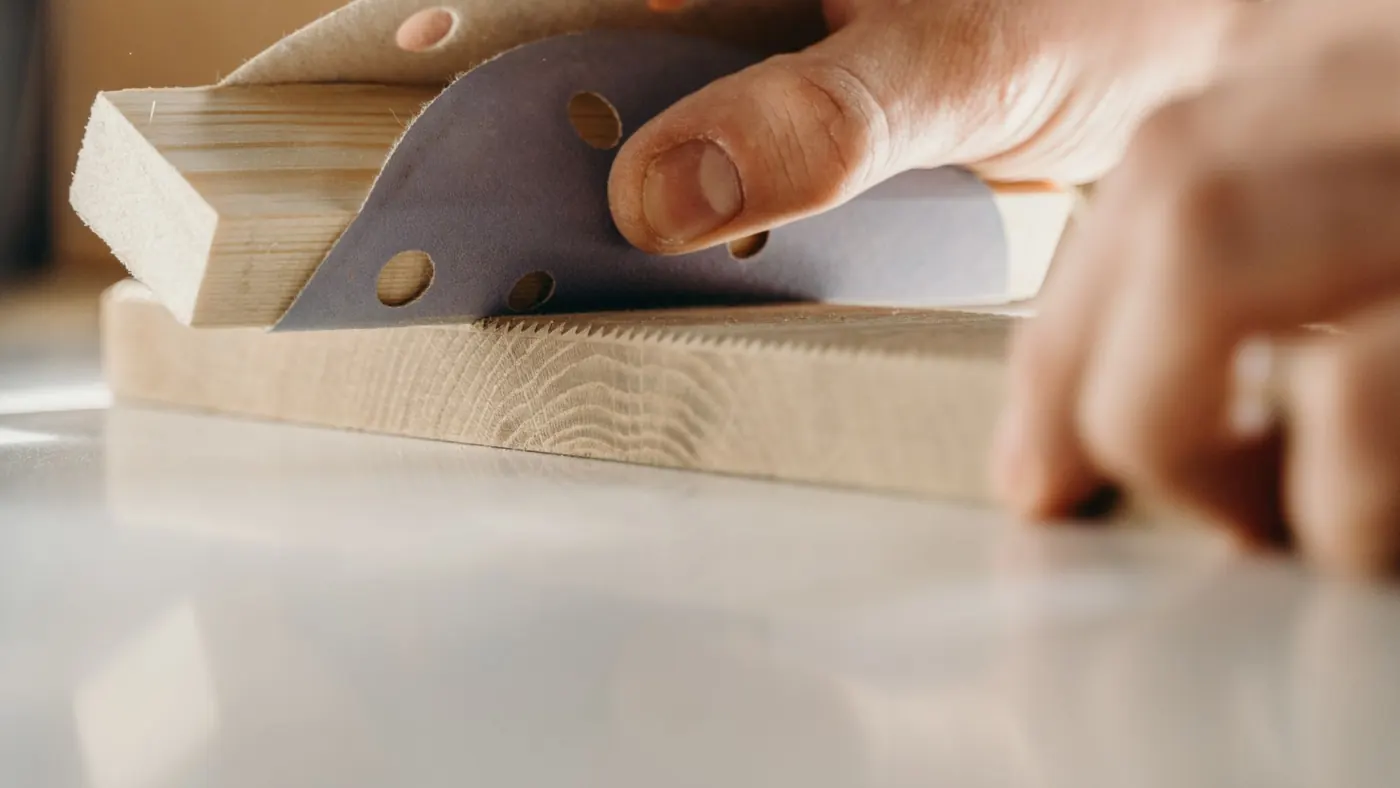
Floors are sanded with a belt or drum sander through 40, 60, 80 and 100 or 120 grit, with an edger for the margins and a detail sander in corners, all dust-extracted. Doors and stairs are stripped by hand or with a hot-air gun and sanded. Gaps between floorboards are filled with a resin mixed with the sanding dust so the filler matches, or left open where the customer prefers the original look. Nail heads are punched below the surface.
Many varnish jobs include a colour change first. The stain goes on before the clear coats, and because the varnish alters the tone, the sample is always made up with the full system. Details of the stain options are on the wood staining and treatment page. Tinted varnishes and coloured hardwax oils are another route, giving colour and protection in one product.
| Finish | Best for | Look | Repair |
|---|---|---|---|
| Water-based polyurethane lacquer (Bona, Junckers, Osmo) | Floors, stairs, high wear | Clear, does not yellow, matt to gloss | Sand and recoat whole area |
| Oil-based polyurethane varnish (Ronseal, Sadolin) | Doors, external timber, warm tone wanted | Ambers with age, gloss or satin | Sand and recoat |
| Hardwax oil (Osmo, Fiddes) | Floors, worktops, furniture | Natural, low sheen, in the grain | Spot repair, wipe on |
| Yacht varnish | Front doors, garden furniture | High gloss, UV resistant | Sand and recoat |
| Danish or tung oil | Furniture, turned work | Soft, close to bare wood | Re-oil |
Varnish is applied thin with a good synthetic brush or a floor applicator pad, along the grain, with a light denib sanding between coats. Water-based lacquers recoat in two to four hours, so a floor can take three coats in a day and be walked on in socks the next morning; full hardness takes a week. Oil-based varnishes need overnight between coats. Hardwax oils go on in two thin coats a day apart. Dust is the enemy, so the room is vacuumed and doors closed while coats dry.
Lacquered floors take the most abuse but need a full re-sand when they eventually wear through. Oiled floors mark more easily but a scratch can be wiped over with more oil. For a London hallway we usually recommend a two-pack or high-traffic water-based lacquer; for bedrooms and living rooms, a hardwax oil looks better for longer. Felt pads on chair legs and a doormat do more than any product.
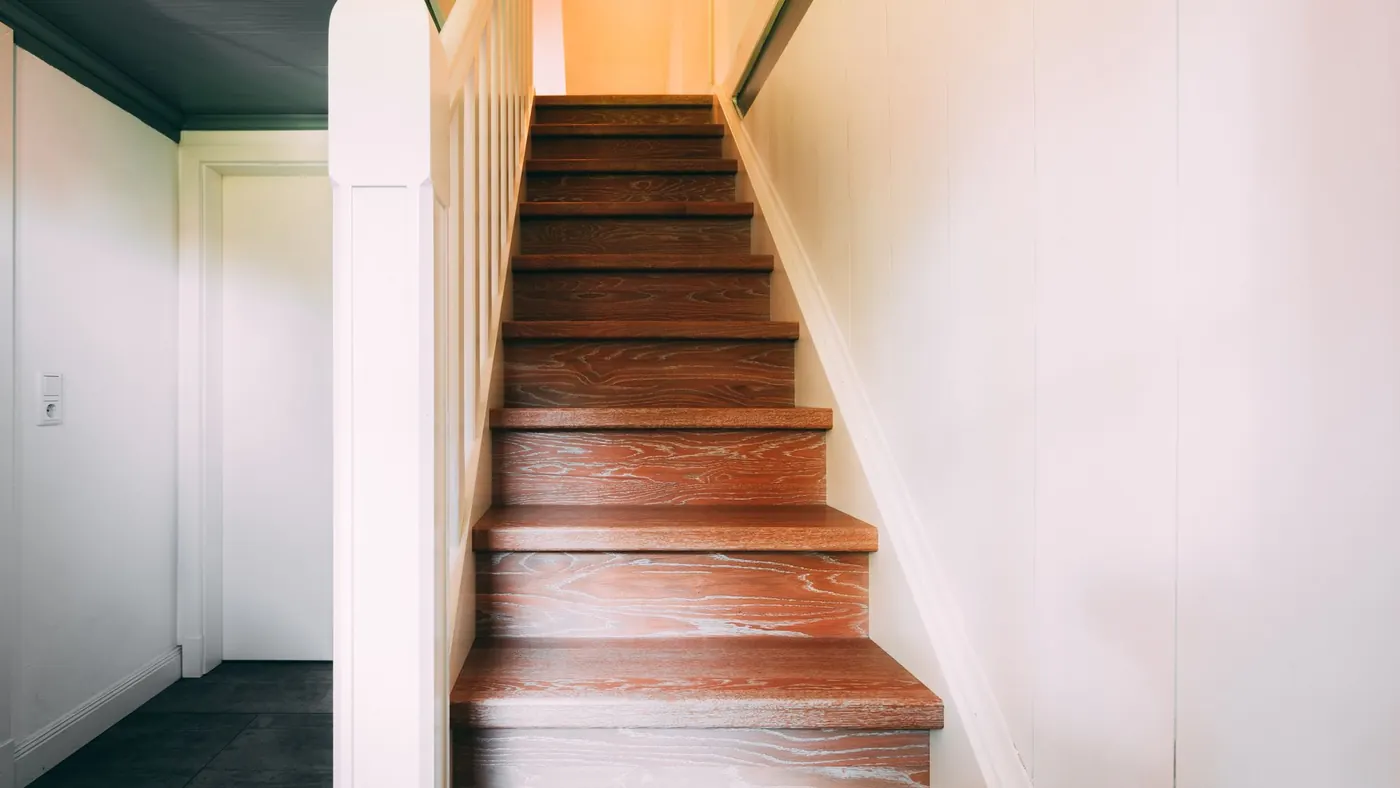
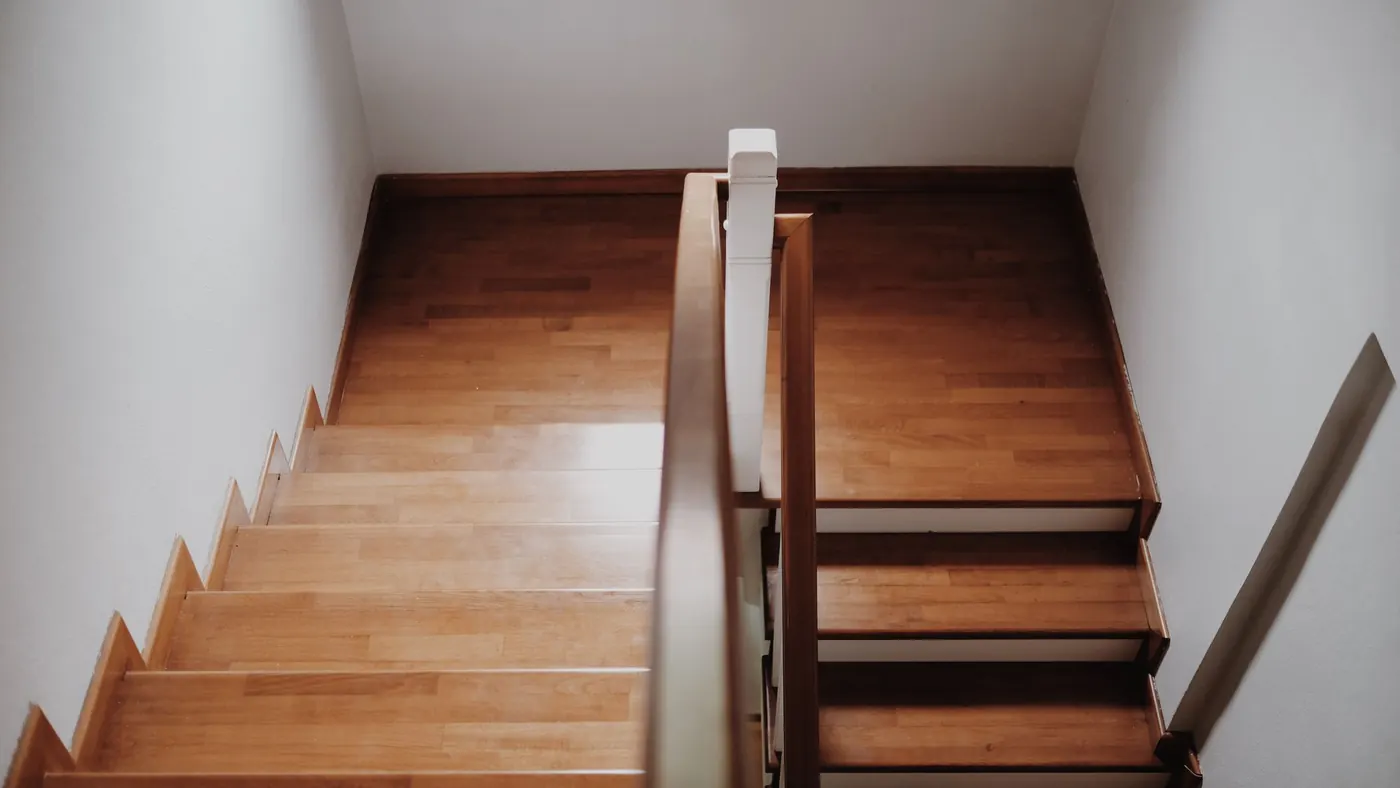
A single staircase, stripped, sanded and varnished, takes two to three days with the stairs usable in the evenings. A 20 square metre floor is two to three days. A set of six panelled doors is best done off their hinges over a few days. Larger work, such as all the floors in a house, is sequenced with the painting of the rooms so the floors are the last thing finished.
How it runs
This is the shape of every varnishing job we take on. The survey sets the quote, the quote sets the days, the days run in this order.
Timber, existing finish and wear pattern checked; finish chosen to suit.
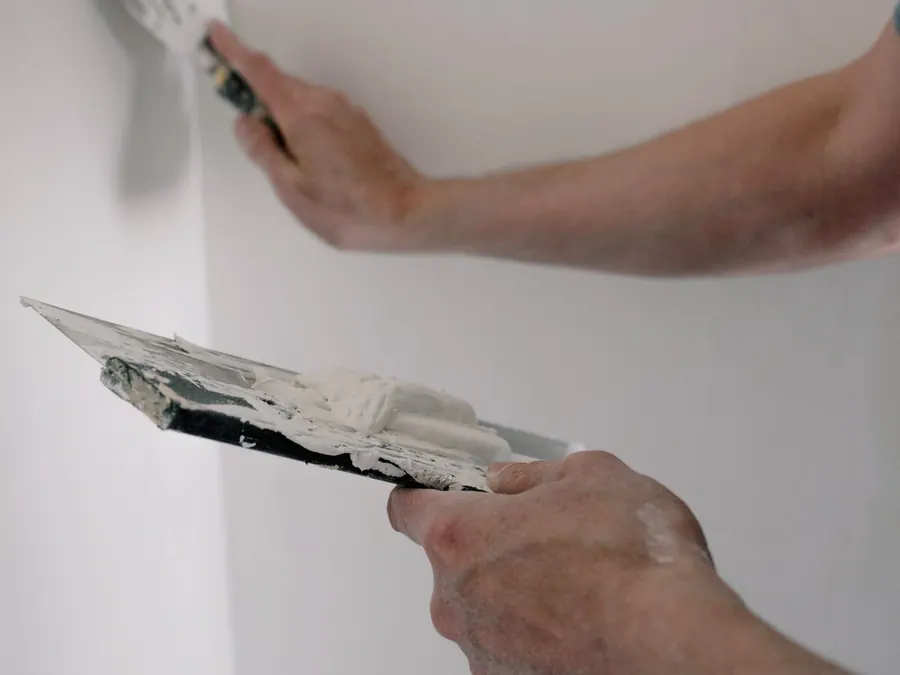
Old finish off, dust-extracted sanding through the grits, gaps filled.
Colour applied and sampled with the full clear system on top.
Two to three thin coats, denibbed between, left to harden.

Quick Quote
Send the surfaces and the postcode. An itemised quote for the varnishing comes back by email, then a date.
On the tools
Surfaces before and during the work: what gets stripped, filled and primed before any colour goes near it.
Where we work
Varnishing is booked across the whole working radius, from the centre of London to the ring of towns about 20 miles out. Below is one stretch of the coverage list, in order of distance from the base.
The full list of 90 towns, with distances, is on the areas we cover page.
Related services
What sits next to varnishing on most jobs. One survey covers all of it and the quote lists each part separately.
Floors, doors, stairs, fences and decking stained to a matched colour and sealed, plus painted woodwork inside and out.
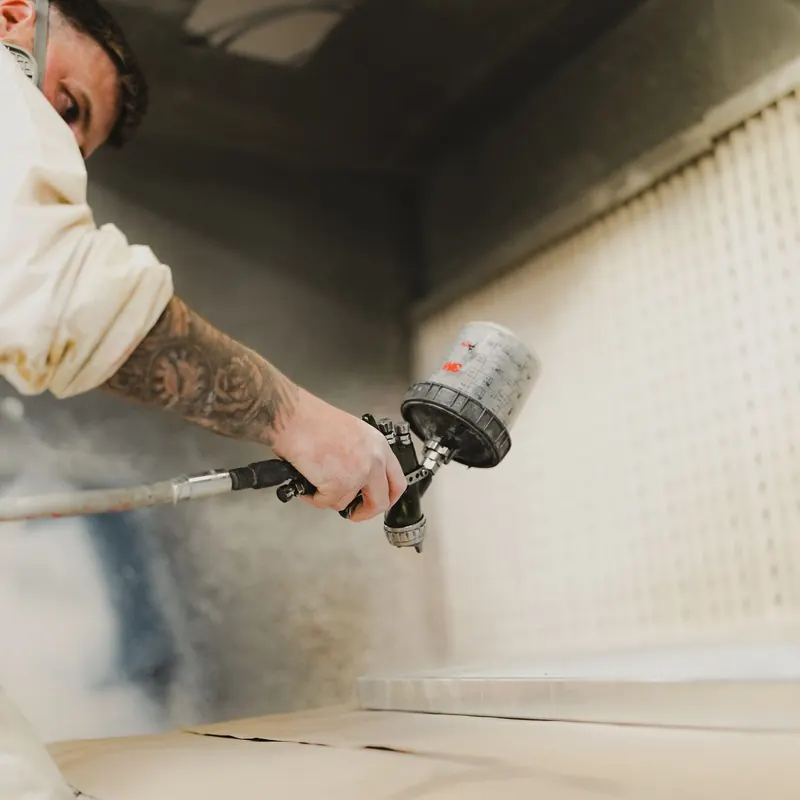
Kitchen doors, furniture, internal doors, radiators and uPVC sprayed on site or in the workshop for a smooth, even finish.
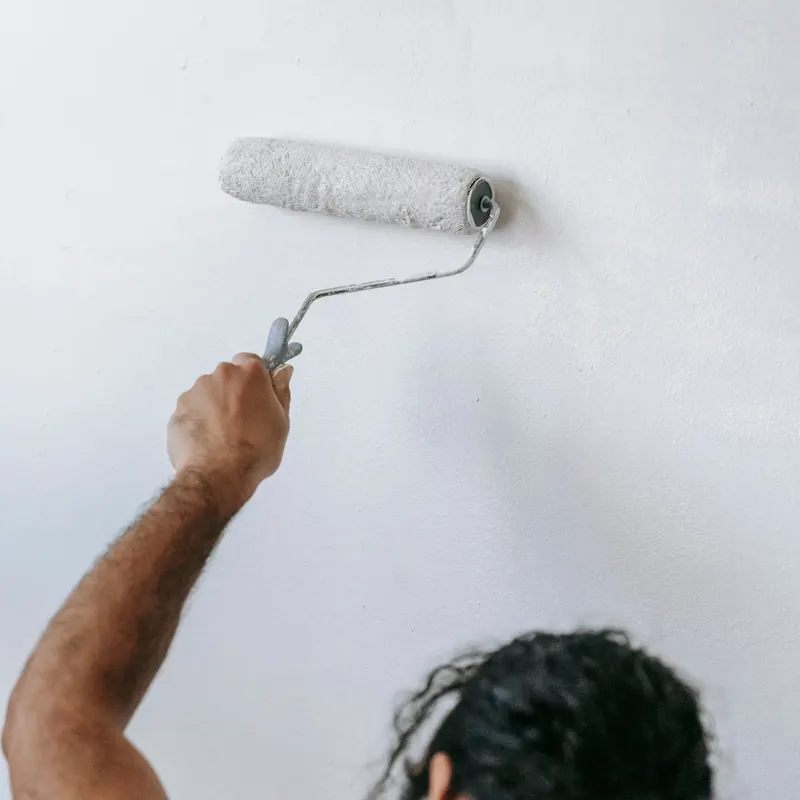
Rooms, hallways, ceilings, kitchens, bathrooms and woodwork prepared and painted in two full coats of trade paint.
Questions
Anything not covered here is answered by email through the contact page, and the longer answers live in our decorating guides.
Varnish or lacquer gives a harder, more wear-resistant film that suits hallways and kitchens. Oil gives a more natural look and is easy to spot repair but marks more easily. For most London family homes we lacquer the hall and stairs and oil the living rooms.
If the old coat is sound, yes: it is cleaned, keyed with a fine abrasive and recoated. If it is flaking, or if there is wax or silicone polish on it, it has to be fully removed first or the new varnish will not stick.
Three coats of a water-based lacquer is the standard for a floor, with a fourth in a hallway. Doors and furniture take two to three coats. Each coat is thin and denibbed between.
Water-based lacquer can usually be walked on in socks the next day and take furniture with felt pads after three days. Rugs should stay off for a week to let it cure fully. Oil-based varnish takes about twice as long.
Oil-based polyurethane varnish ambers over the years, which some people like on old pine. Water-based lacquers stay clear. If you want a pale floor to stay pale, water-based is the answer.
Quick Quote
Five-star reviews from London homes
Describe the varnishing you need and where it is. The quote comes back by email with the preparation, the coats and the products listed.