
Exterior Painting
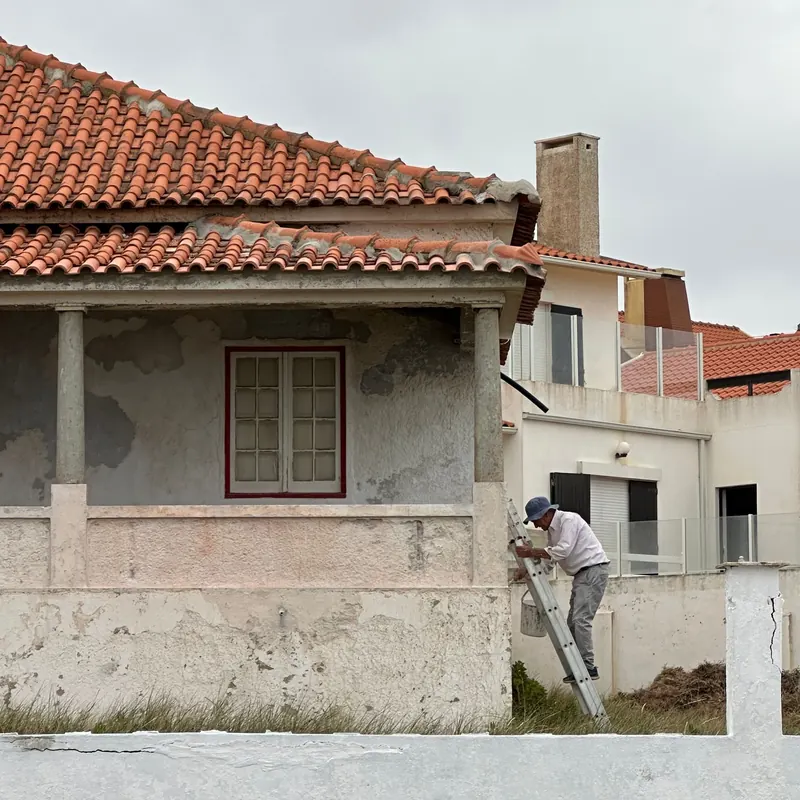
The full front of the house: windows, doors, fascias, railings and rendered walls painted to shed the weather.
Rendering painting, London
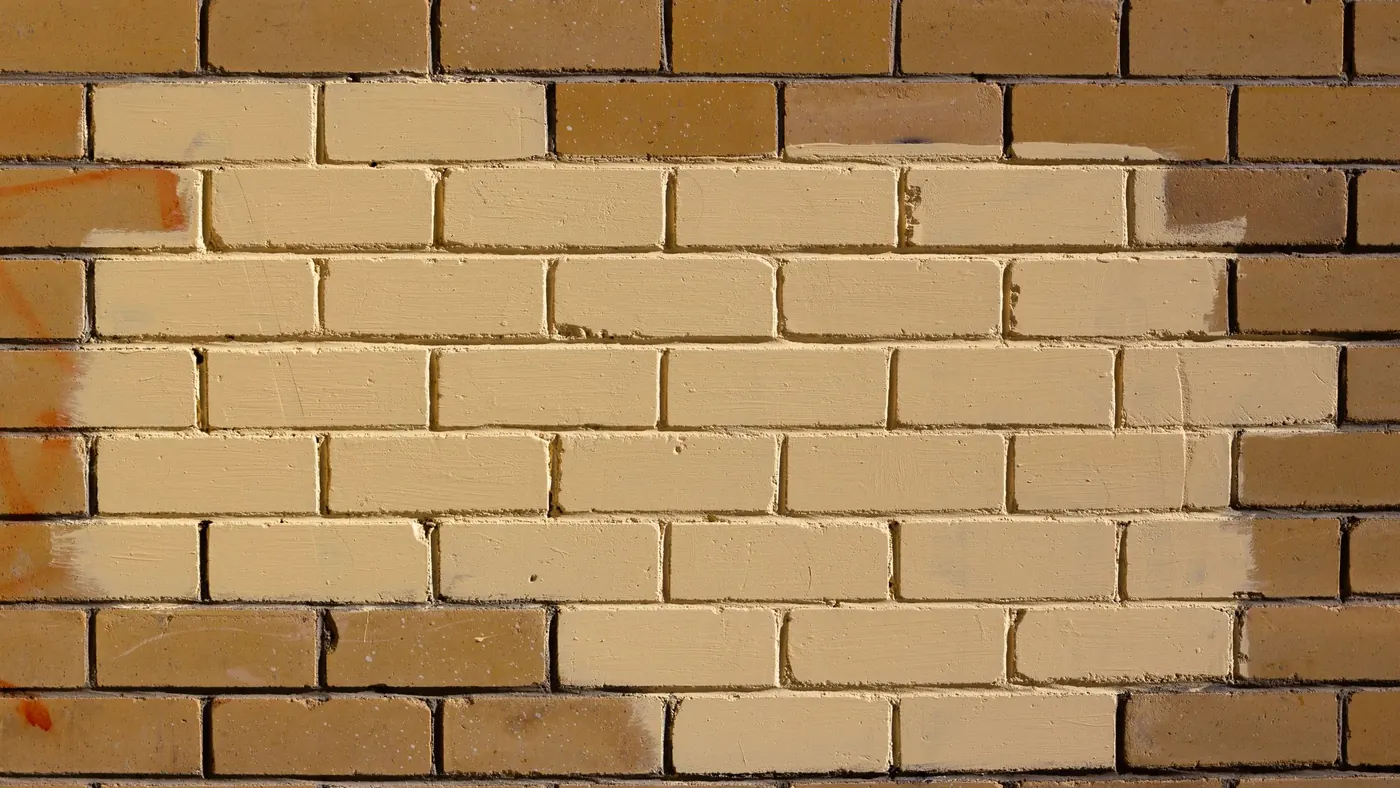
Sand and cement render, pebbledash, painted brick and Victorian stucco all take masonry paint well, once the cracks are stopped and the surface is clean. We do the boring part properly, then two full coats.
Five-star reviews from London homes
Blown plaster hacked off, reboarded and skimmed, then painted a week later once it had dried. One firm for both jobs saved a lot of chasing.
JamesPlastering and paint, London
Pine boards sanded and stained a mid oak, then three coats of lacquer. It matched the colour sample they did on an offcut first.
AishaFloor staining, Islington
Painted the shop over two nights so we never closed. The shutters were sprayed too and the sign-writer had a clean wall to work on.
BenShop unit, Brent
They warned me pebbledash drinks paint and quoted three coats, not two. The front is even all over now, no grey showing between the stones.
CharlottePebbledash semi, Sutton
Three-storey stairwell with a big repeat. They built a platform in the well and the pattern runs straight round the landing. Not a seam showing.
RaviStairwell wallpaper, Archway
Artex ceiling in the lounge sealed and skimmed rather than scraped, left to dry a week, then painted. Flat as a board and no mess in the rest of the house.
LouiseCeiling skim and paint, Bexley
Masonry paint is a thick, textured exterior coating made to flex slightly with the wall and let moisture out. It is not the same as exterior emulsion. On a rendered wall it fills hairline crazing, hides old patch repairs and gives a uniform matt or soft-sheen finish. Sandtex, Dulux Weathershield and Johnstone's Stormshield are the products we use most, chosen by substrate rather than habit.
A typical front elevation runs like this: fungicidal wash and jet clean, loose material scraped back, cracks raked and filled with an exterior flexible filler, bare patches primed with a stabilising solution, then two full coats by brush and roller. Sills, band courses and the underside of the coping are cut in by brush because a roller misses the returns. Where the front has exterior woodwork and metal that needs painting at the same time, we sequence it so nothing gets splashed.
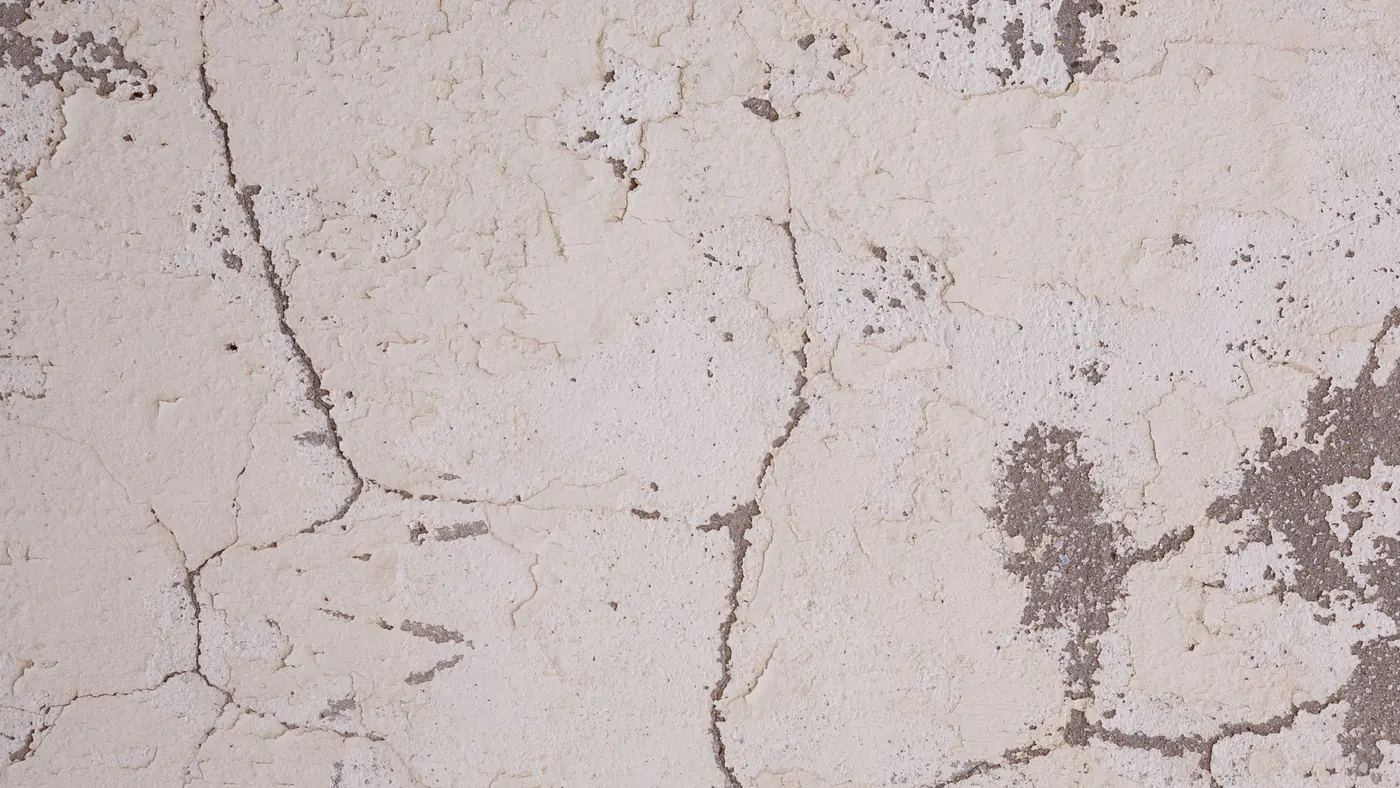
Each surface behaves differently and wants a different approach.
The failures we are called to fix almost always come from one of three things: paint applied over dirt and algae, a non-breathable coating trapping damp, or a cheap trade emulsion used outside. In each case the paint peels in sheets within two or three winters. The cure is to strip back to a sound edge, treat the wall, and start again with the right product, which is why a proper survey before quoting matters more on masonry than on any other decorating job.
Where a wall is holding moisture, from a leaking gutter, a bridged damp course or a cracked sill, we say so. Painting over it wastes your money, and we would rather you fix the leak and call us back.
A good masonry paint sheds rain but lets water vapour out. That balance is what keeps render from blowing. Products are rated for it: look for a low SD value or the words micro-porous or breathable on the tin. Silicone-based masonry paints add water beading and stay cleaner longer on north-facing walls, which in London means the fronts on many east-west terraces.
Colour matters for durability too. Dark colours on a south-facing wall heat up and move more, so on a rendered wall we steer customers towards mid tones unless the product is specifically formulated for dark shades.

Masonry paint is touch dry in an hour or two in summer and can be recoated after four to six hours, but it needs a dry day and no frost overnight, so the season for this work in London runs from roughly March to October. Full cure takes a few weeks. After that a hose down once a year and a check of the sills and gutters is all it needs; a good job on sound render should go eight to fifteen years before it wants doing again. If you are in one of the areas we cover across London, send us a photo of the front and we will tell you what it needs.
How it runs
The order does not change from job to job. What changes is how much of each stage your surfaces need, and the quote says so.
Walls tapped, cracks and damp noted, product chosen for the substrate.
Fungicidal wash, jet clean, cracks raked and filled, hollow render cut out.
Stabiliser on chalky areas, then two full coats brushed into every return.
Protection stripped, paths cleaned, a walk round the elevation with you.

Quick Quote
Tell us what needs doing and where. A written price comes back, and a start date follows it.
On the tools
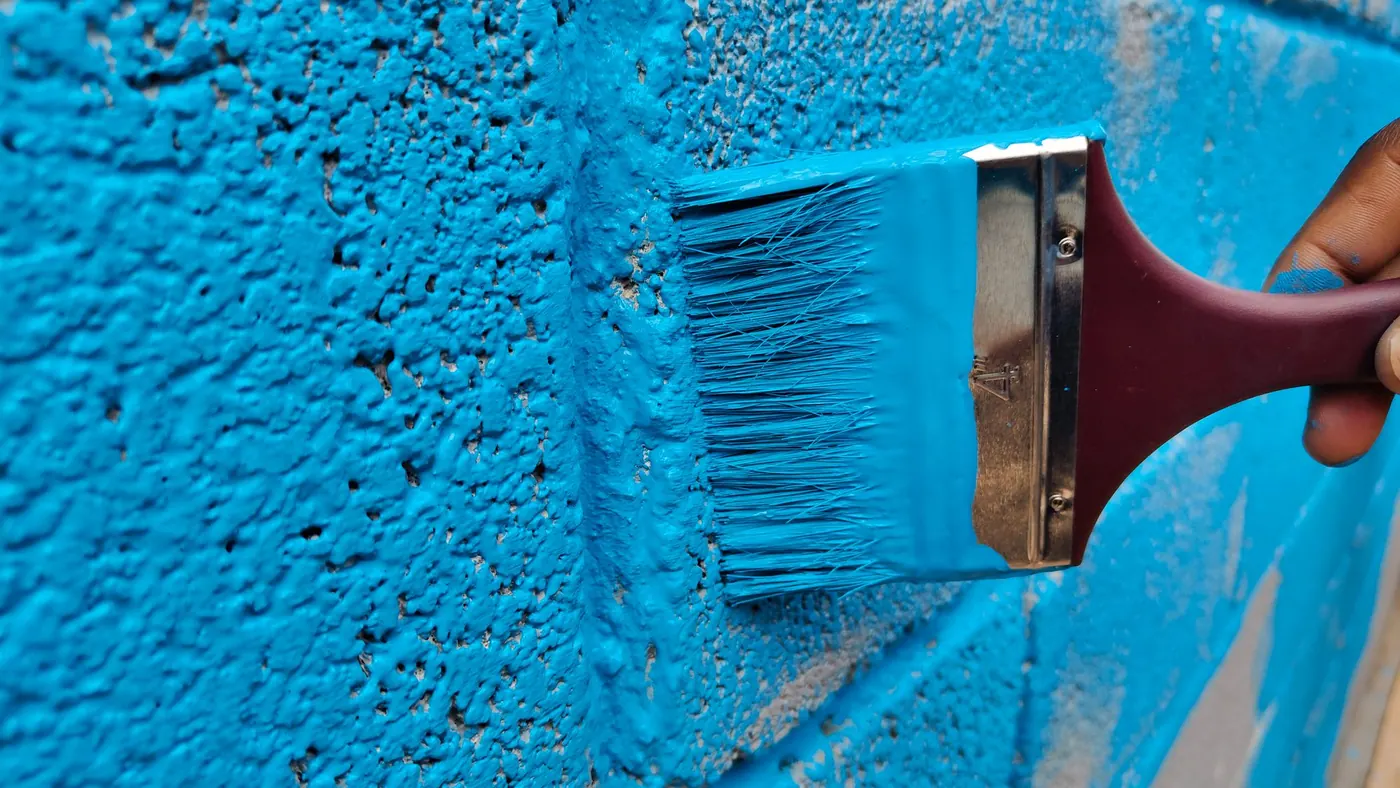
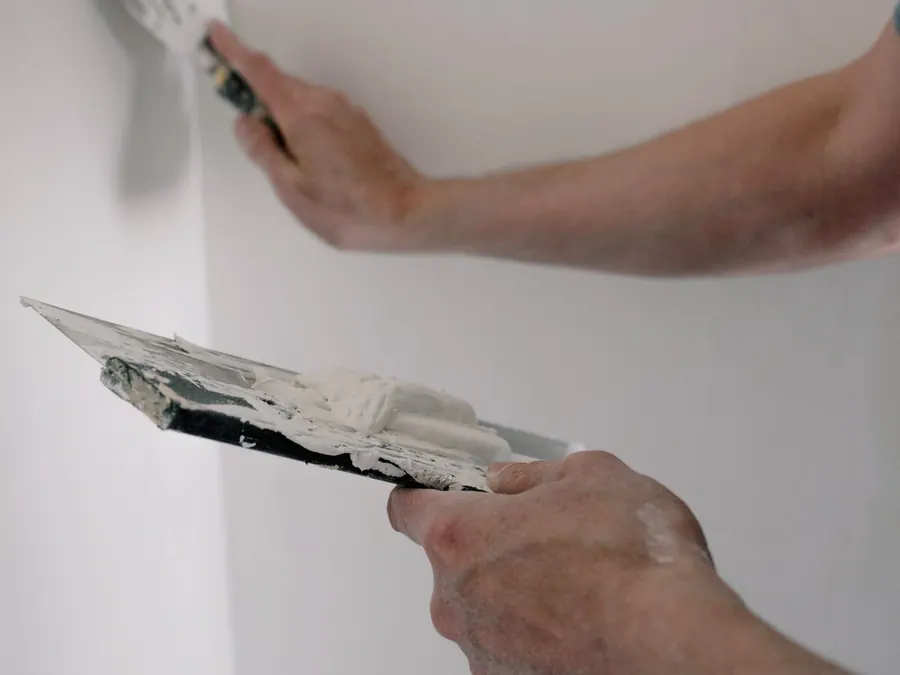
Surfaces before and during the work: what gets stripped, filled and primed before any colour goes near it.
Where we work
Rendering Painting is booked across the whole working radius, from the centre of London to the ring of towns about 20 miles out. Below is one stretch of the coverage list, in order of distance from the base.
Related services
Jobs rarely arrive one trade at a time. These are the services most often quoted alongside this one, planned as a single sequence so nothing is done twice.
The full front of the house: windows, doors, fascias, railings and rendered walls painted to shed the weather.
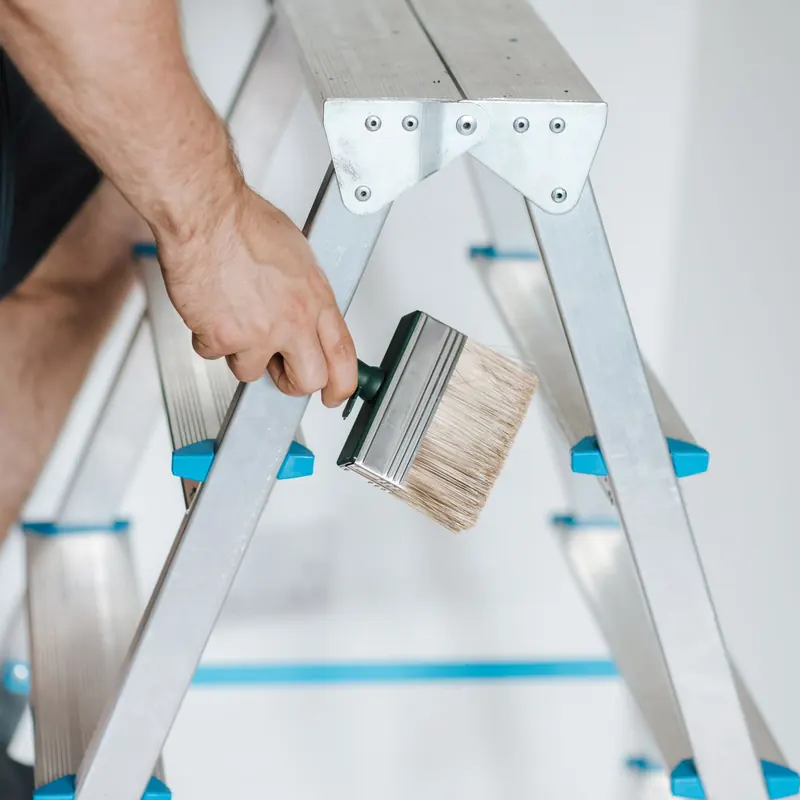
Whole homes, flats and single rooms decorated end to end: walls, ceilings, woodwork, wallpaper and exteriors.

Skimming, reboarding, patch repairs and full re-plastering of walls and ceilings, painted by the same team once dry.
Questions
Anything not covered here is answered by email through the contact page, and the longer answers live in our decorating guides.
Two full coats on sound previously painted render. New or bare render takes a primer or a thinned mist coat first, and pebbledash often needs a third coat to cover the shadowed side of the stones.
Hairline crazing yes, with a flexible masonry paint that bridges it. Cracks you can fit a coin into are raked out and filled first, and hollow render that sounds drummy when tapped is cut out and re-rendered before any paint goes on.
On a properly prepared wall with a breathable product, eight to fifteen years is normal. Fronts that face the prevailing weather and walls under leaking gutters wear faster, which is why we check the gutters and sills at the survey.
For a two-storey terrace front we usually work from ladders and a tower. Three storeys, mansard fronts and anything over a conservatory or basement area normally need a scaffold, which we arrange and price separately.
Any dry spell between March and October when the wall is above 8 degrees and no rain or frost is due for 24 hours. We plan exterior work around the forecast and switch to interior jobs if the weather turns.
From the archive

Most exterior paint failures in London come down to three mistakes: painting over dirt, using a coating that traps moisture, and skipping the repairs. This guide goes through the choices in the order a decorator makes them.
Quick Quote
Five-star reviews from London homes
Sizes, what is on the surfaces now, and what you want them to be. Straightforward jobs get a written price; whole houses and exteriors get a visit first.